Turn Around
转身
胡嘉敏 Jiamin Hu
2025|酷儿新声 Queer New Voice
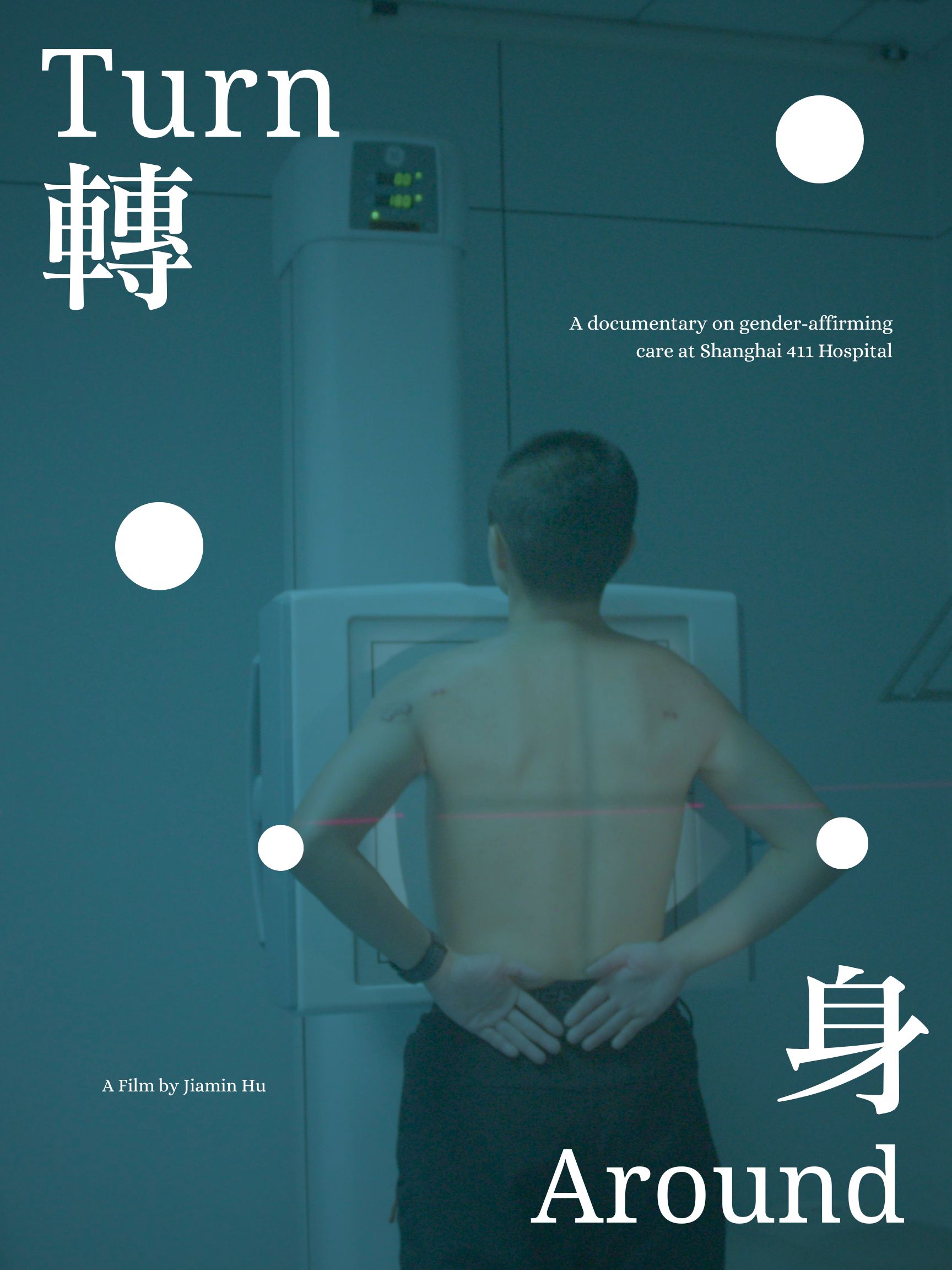
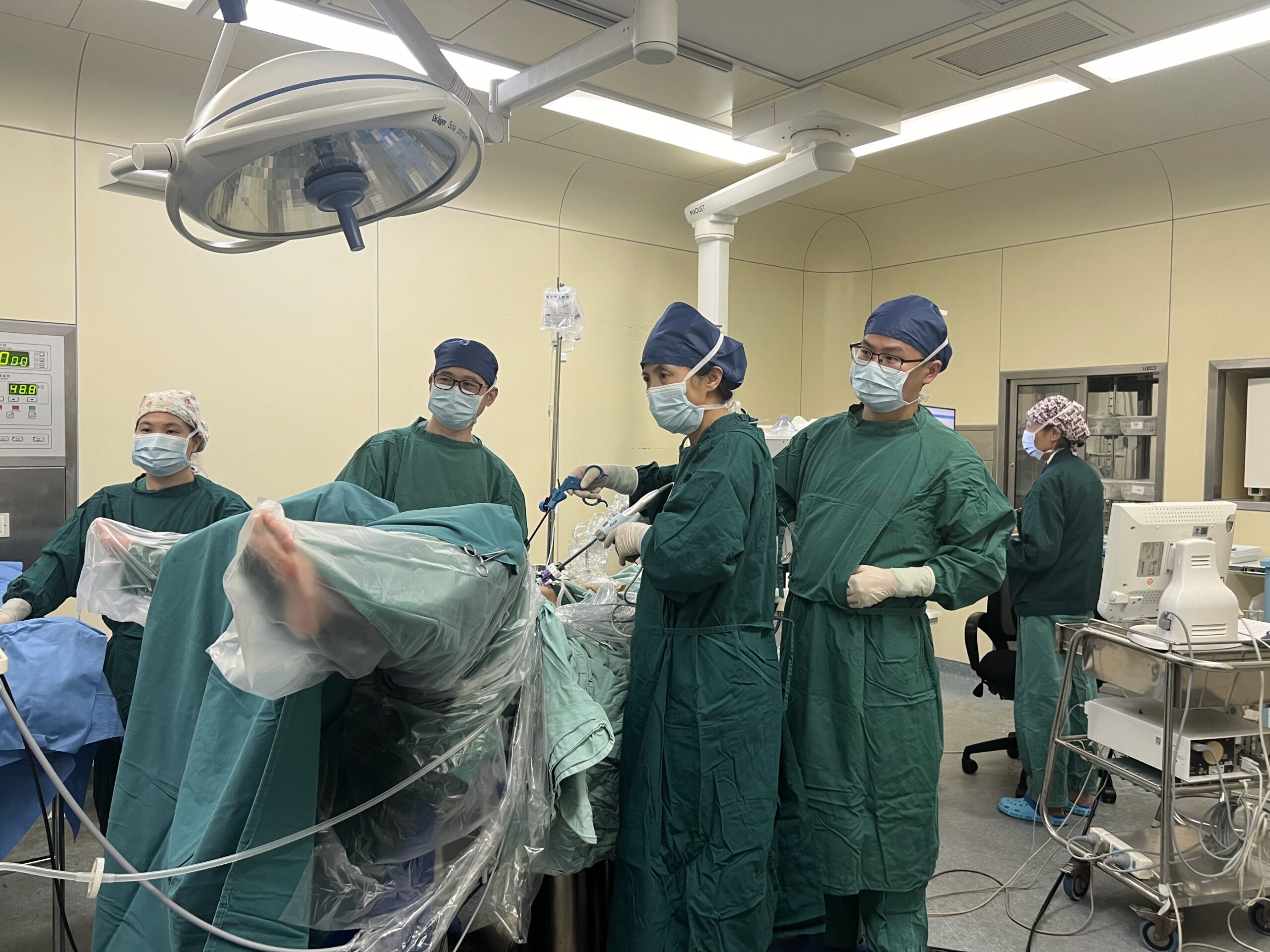
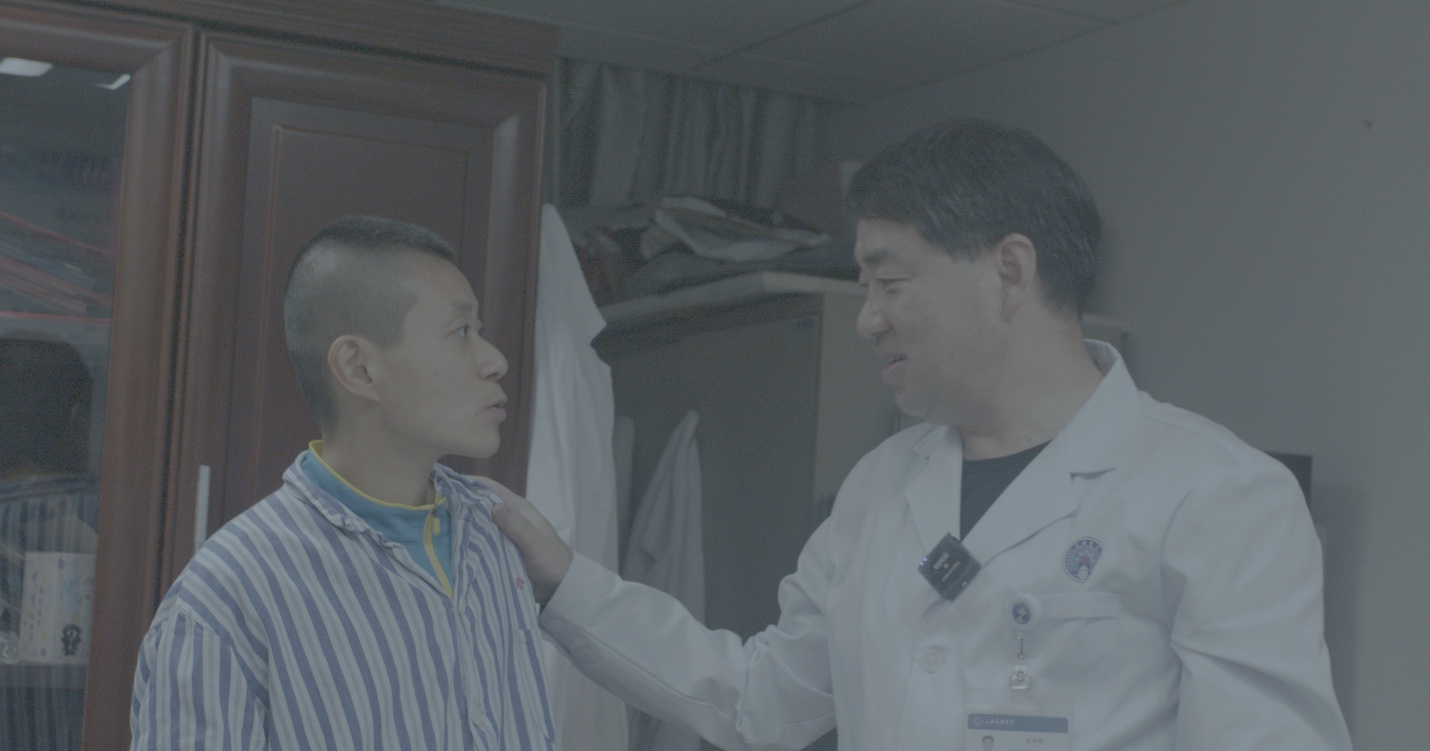
《转身》记录了Kane在上海四一一医院接受性别肯定手术的过程。镜头深入手术室与病房,跟随Kane身体经历变化的每一个微小步骤。在制度与现实交织的缝隙中,Kane的身体发生改变,也在重新调整与世界的关系。这部片以安静的注视,记录那些难以被轻易言说经验与抉择。
Turn Around follows Kane’s gender-affirming surgery at Shanghai’s 411 Hospital, tracing every subtle change in Kane’s body, from the operating room to the recovery ward. Within the interstices of institution and lived reality, Kane’s body is transformed, and so too is their relation to the world. With quiet and attentive observation, the film bears witness to experiences and choices that often resist easy articulation.
导演:胡嘉敏
编剧:胡嘉敏
受訪者:Kane Liao、Zhao Yede、Xintong
制片人:Kane Liao、胡嘉敏
摄影:胡嘉敏、Xintong、Zhao Yede
类型:纪录长片
对白语言:汉语普通话、英语
制作机构:MIN WHO? Filmmaking Collective
Director: Jiamin Hu
Screenwriter: Jiamin Hu
Cast: Kane Liao, Zhao Yede, Xintong
Producer: Kane Liao, Jiamin Hu
Cinematographer: Jiamin Hu, Xintong, Zhao Yede
Genre: Documentary Feature Film
Language: Mandarin Chinese, English
Production Company: MIN WHO? Filmmaking Collective
胡嘉敏 Jiamin Hu
胡嘉敏是动态影像创作者,策展人,研究兴趣为酷⼉电影。现生活工作于上海/迪拜/三藩。
对于边界与空间的编码与解构成为她创作的驱动力,她试图建造被极致化隐喻的影像作品,揭开置于公共场域之下的身份政治与性别表演。她的创作覆盖多地,近年来与中东等地移民共同编创。在东亚/东南亚,以纪录片作为媒介,寻幽亚洲的本土书写。
Jiamin Hu is a moving image artist and curator whose research centers on queer cinema. Based between Shanghai, Dubai, and San Francisco, her practice explores the codification and deconstruction of boundaries and spaces. Using metaphorically charged imagery, she aims to uncover the secret operation of identity politics and gender performance within public spheres. Her work spans regions, from collaborations with migrant communities across the MENA region, to documentary projects in East and Southeast Asia that trace indigenous narratives and hidden histories.

导演阐述 Director’s Statement
拍摄《转身》的过程是一场关于观看与被观看的反覆练习。
Kane的手术经历发生在高度规训的医疗体系中,很多过程既私密又制度化,往往难以被言说。拍摄时我不断思考,什么能被看见?谁能被看见?如何拍,才不会定义或消解那些复杂的经验?《转身》是一次在纪录与距离之间反覆调整的尝试,提醒我保持疑问,也保持责任。
The making of Turn Around was an ongoing exercise about looking and being looked at. Kane’s surgery took place within a highly regulated medical system, where many processes were at once deeply intimate and profoundly institutionalized, often eluding articulation. I kept asking myself throughout the shooting: What can be seen? Who can be seen? How to film without defining or reducing such complex experiences? Turn Around is an attempt to adjust the balance between documenting and maintaining distance, asking me to keep questioning and remain responsible.