To Kill The Chicken
杀了那只鸡
秦沁 Qin Qin
2025|我还乡了,但… Homecoming, But…
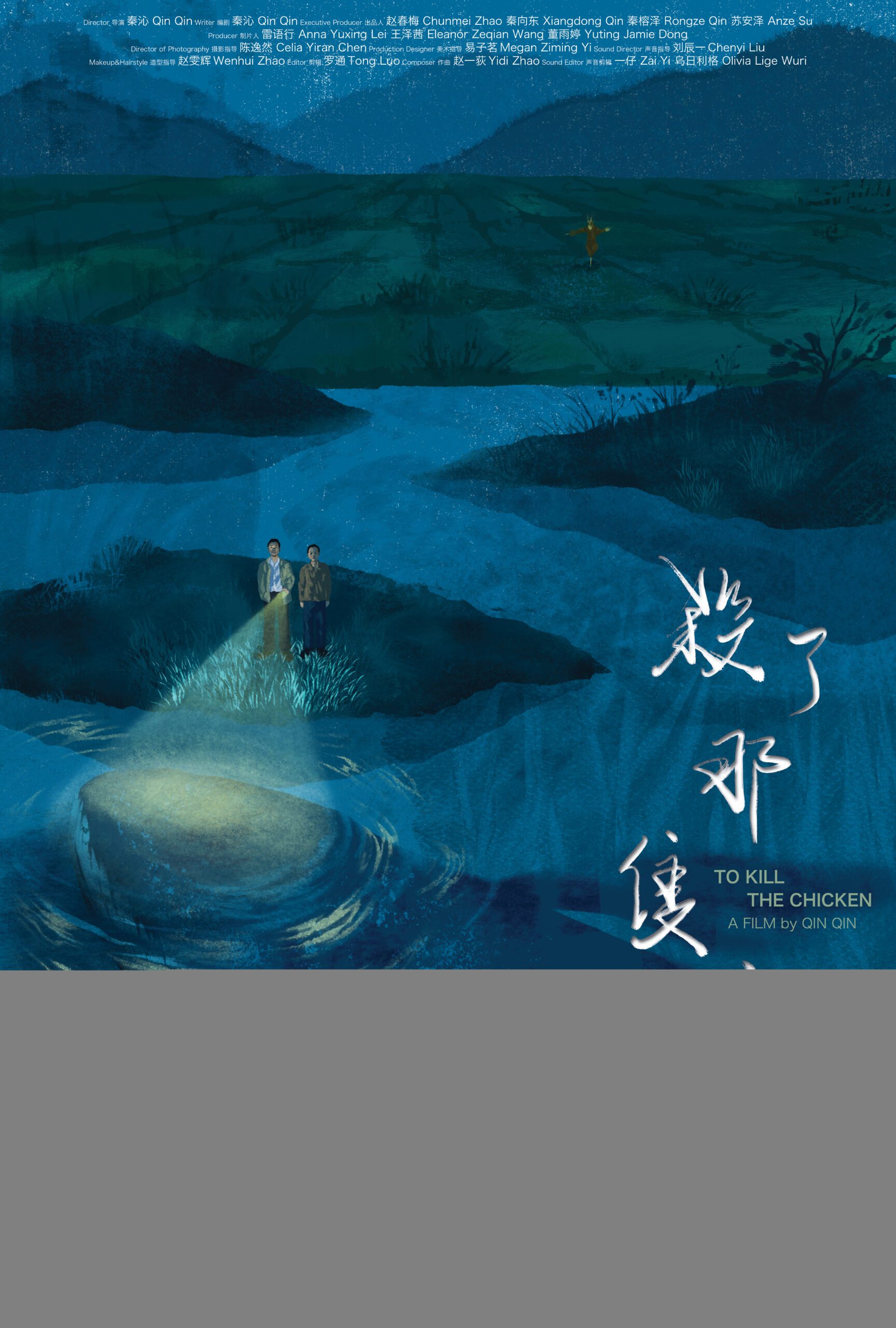
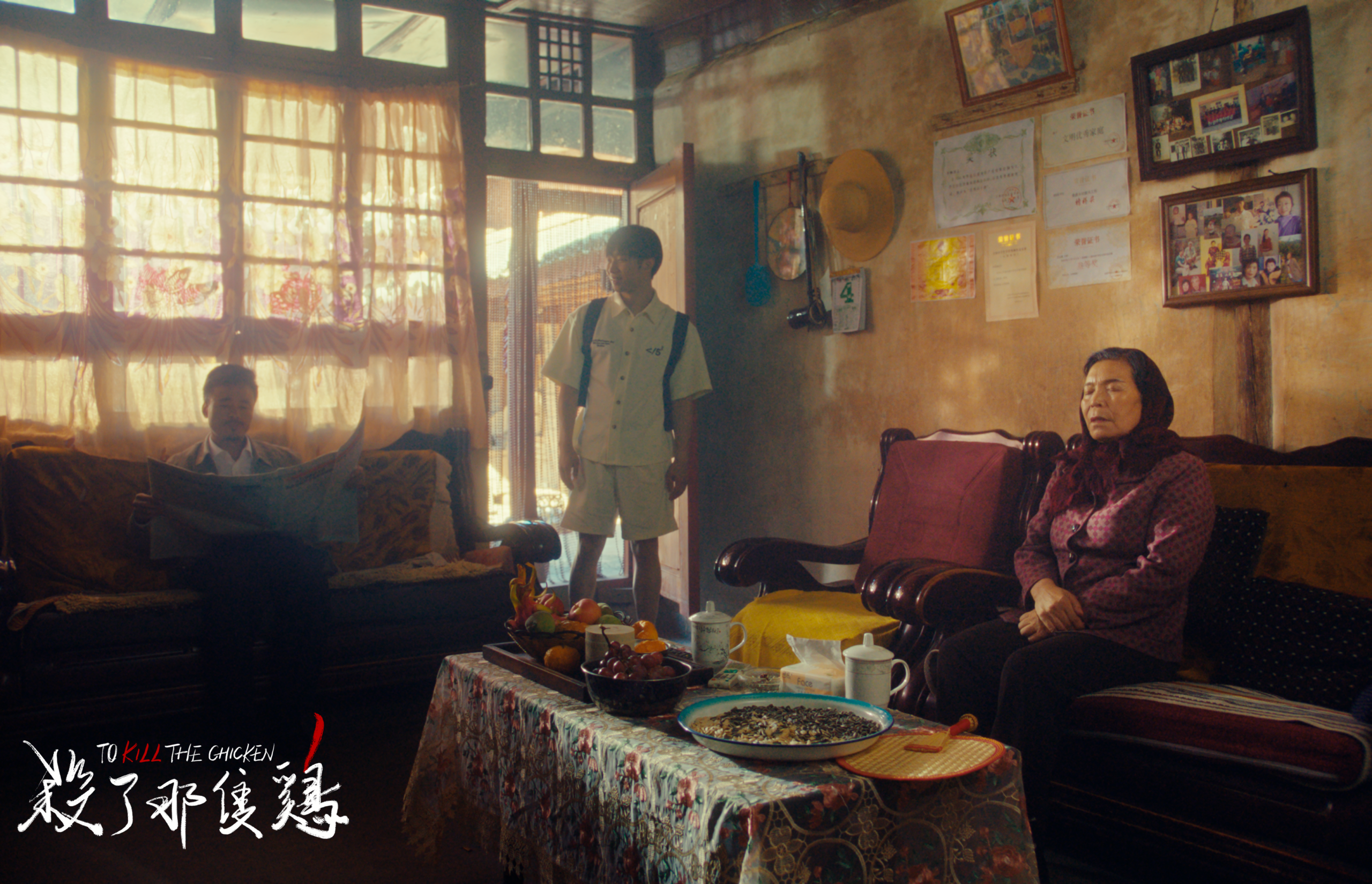
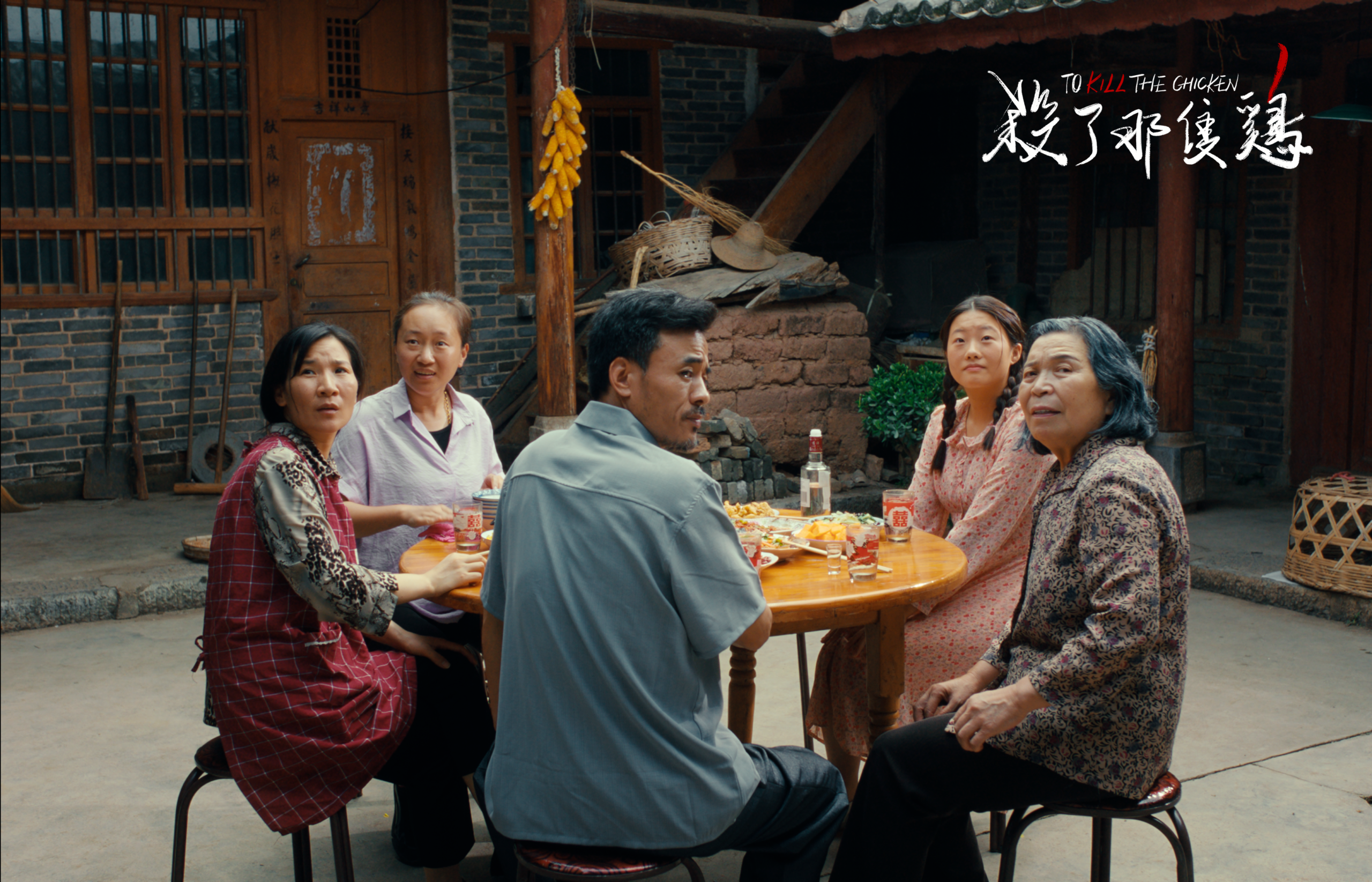
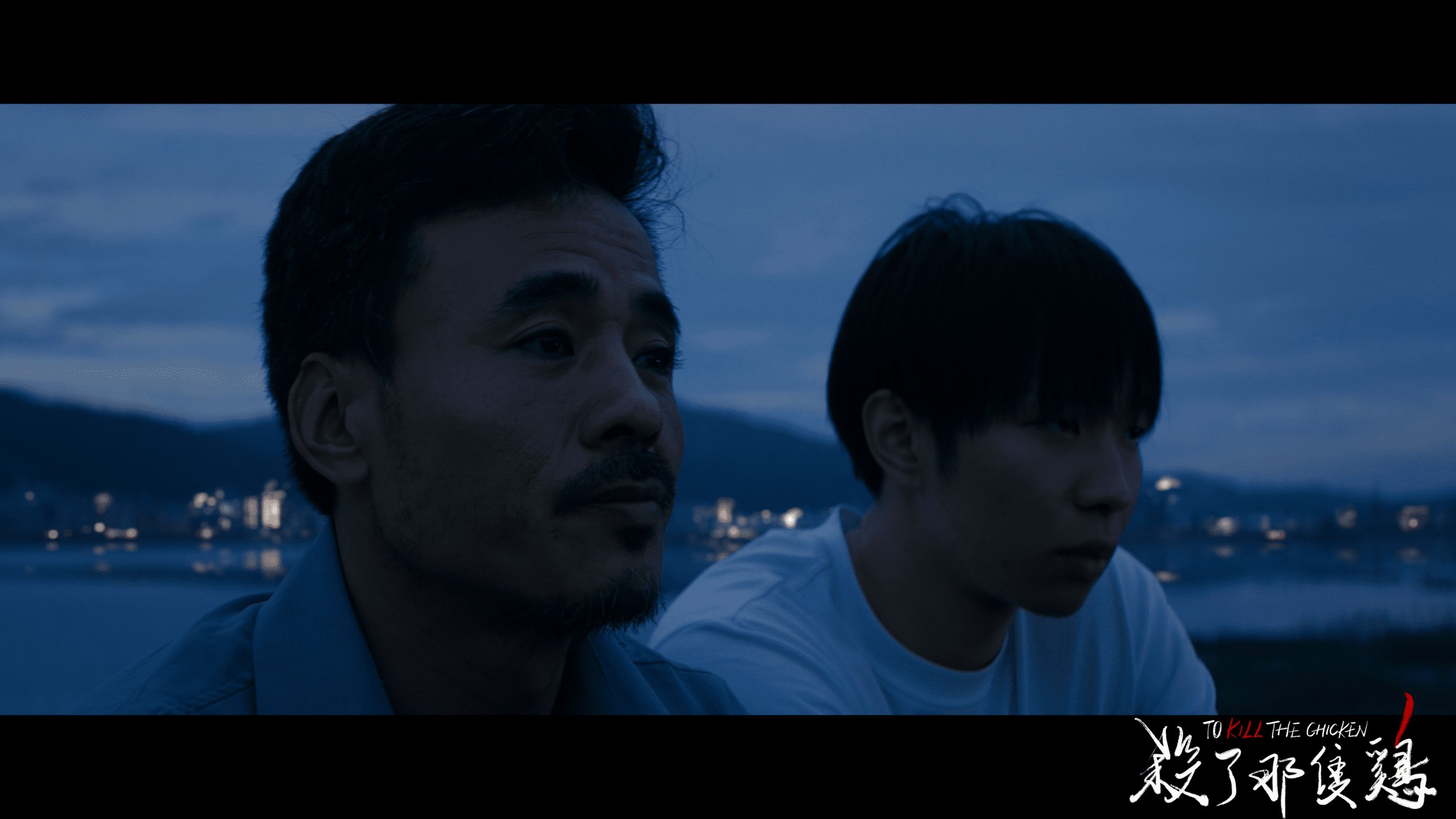
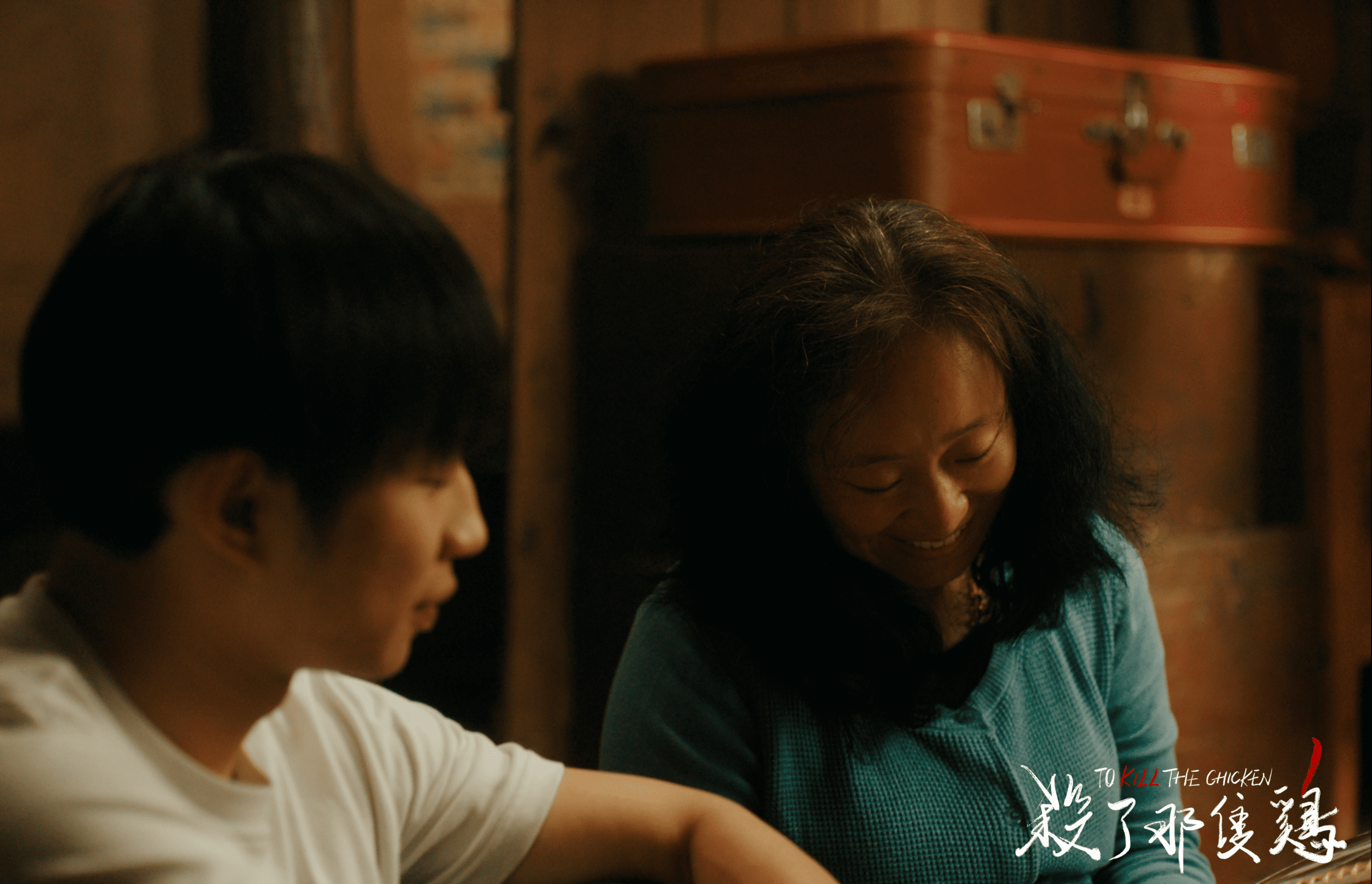
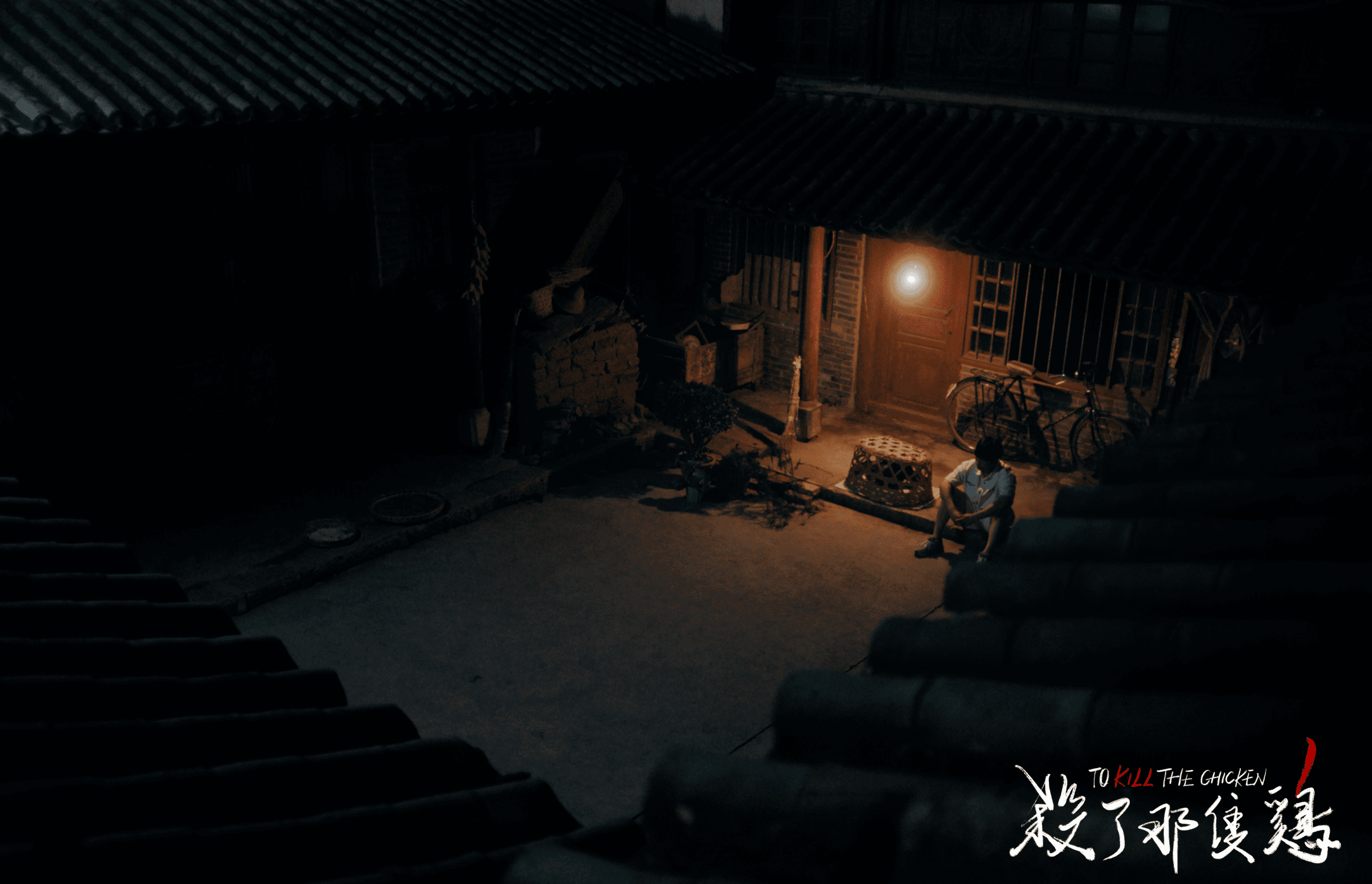
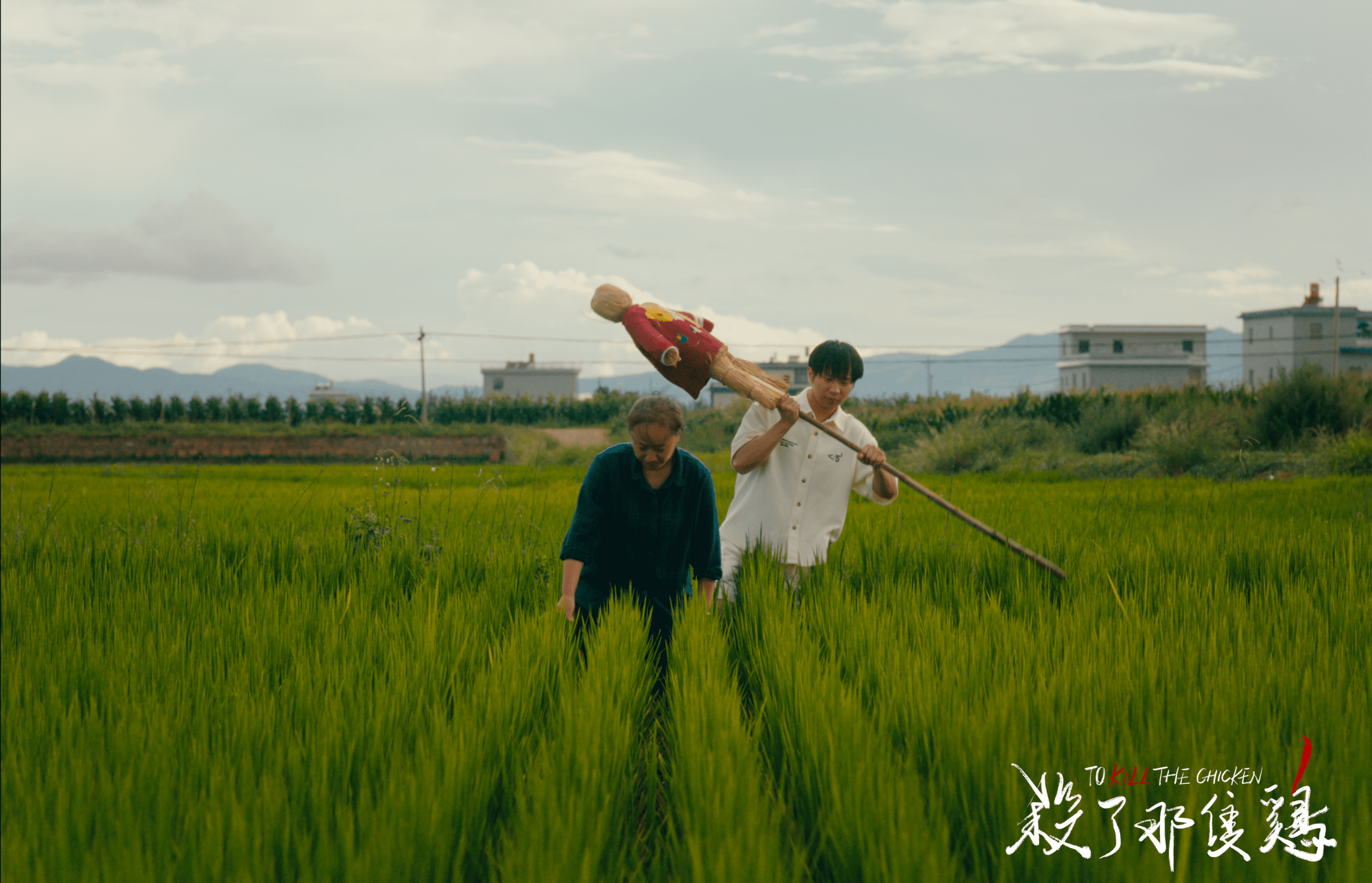
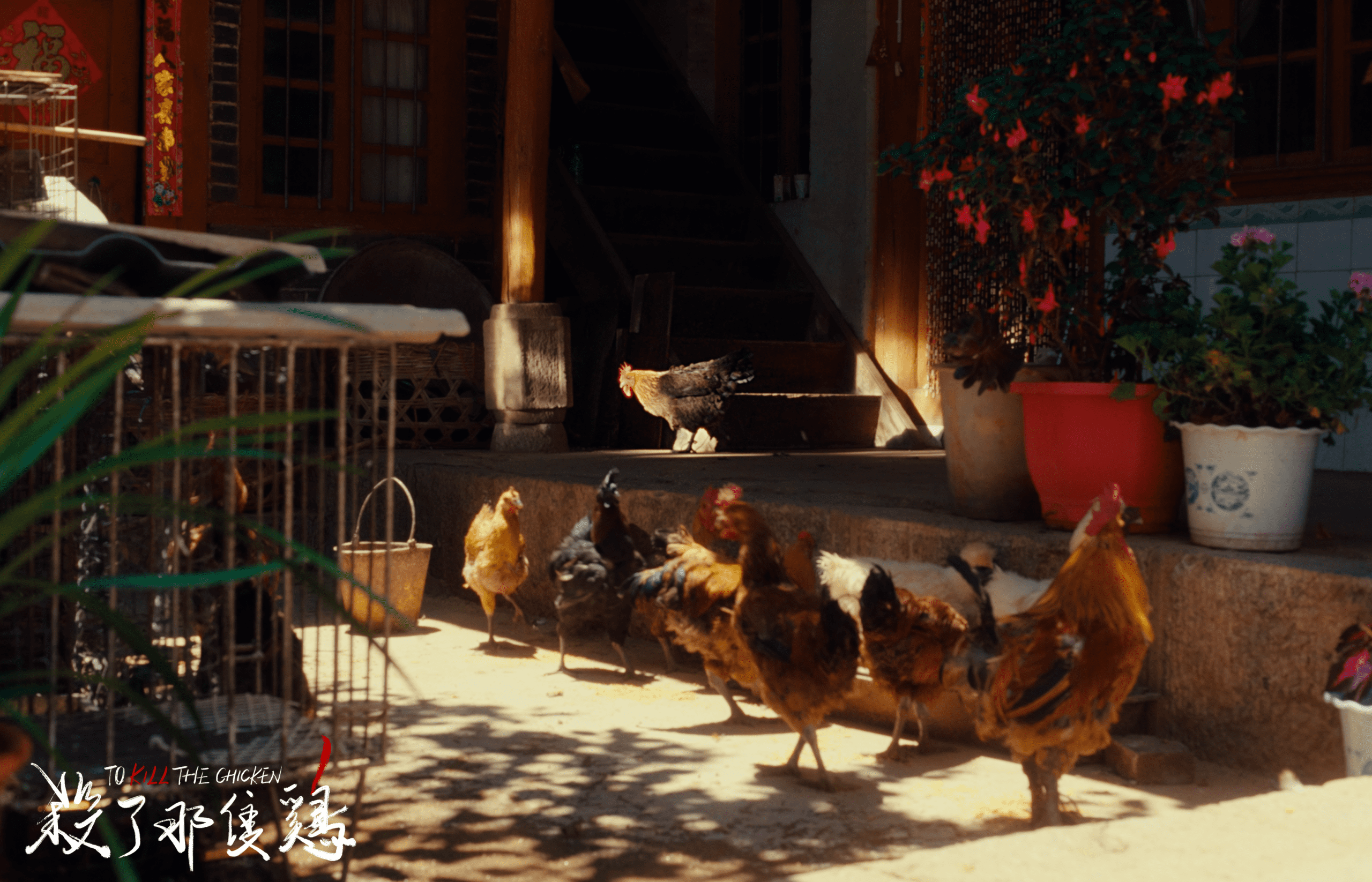
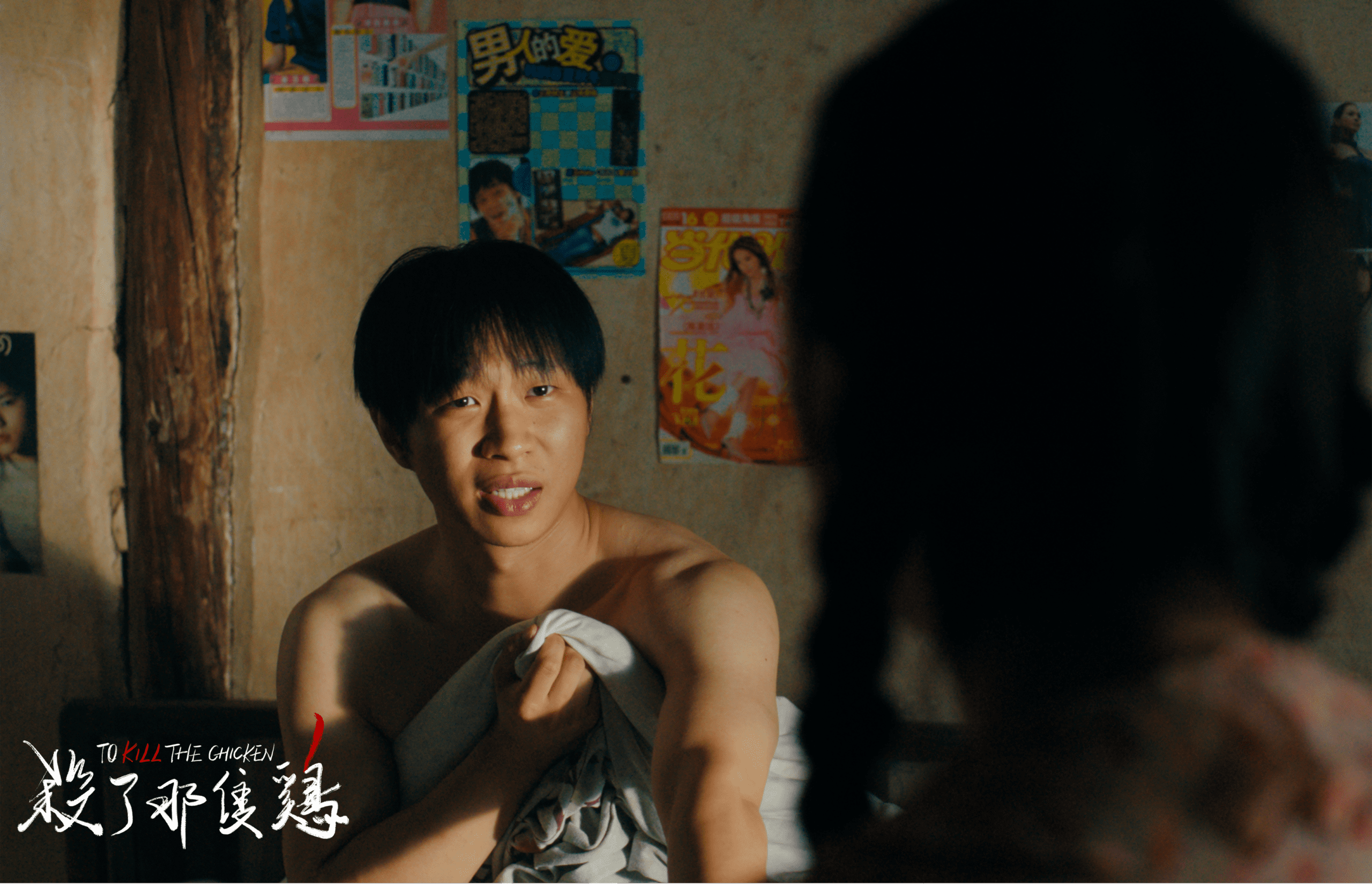
极度恐惧鸡的李显翼在回老家时被逼迫去杀掉一只鸡。而这一出闹剧揭开了埋藏在李显翼和母亲内心深处的秘密。
Returning to his hometown for the Qingming Festival, a 27-year-old Chinese gay man grapples to hide his sexuality in order to meet his family’s marriage expectations, leading to a tense showdown during the traditional chicken slaughter ritual.
导演:秦沁
编剧:秦沁
主演:朱亚男、薛晴
制片人:雷语行、董雨婷、王泽茜、秦沁
摄影:陈逸然
类型:剧情短片
对白语言:汉语普通话
Director: Qin Qin
Screenwriter: Qin Qin
Cast: Yanan Zhu, Qing Xue
Producer: Anna Yuxing Lei, Jamie Yuting Dong, Zeqian Wang, Qin Qin
Cinematographer: Yiran Chen
Genre: Narrative Short Film
Language: Mandarin Chinese
秦沁 Qin Qin
秦沁本科以传播学&动画制作双专业毕业于上海理工大学。研究生于美国洛杉矶洛约拉马里蒙特大学就读电影电视制作项目导演系。他导演制作的多部短片入围了Iris Prize,洛杉矶国际短片电影节等多个国际电影节。他的短片总是关注那些在时代巨轮前进下被忽视的小人物们。
Qin Qin obtained his bachelor’s degree from the University of Shanghai for Science and Technology, double-majoring in Communication and Animation Production. He then pursued a master’s degree in Film and Television Production specializing in Directing Fiction at Loyola Marymount University in Los Angeles, USA. His short films consistently focus on the nobodies overlooked by the march of our times.

导演阐述 Director’s Statement
同性婚姻在中国乃至大部分亚洲国家依旧是不受到法律承认保护的,在某些国家同性恋行为甚至是违法的。主要原因依然是根深于亚洲(中国)家庭对于结婚以及延续家庭血脉的传统观念。这导致了在中国两千万的同性恋者都不敢出柜,选择形婚或者一直单身。而每年各种节日是家族里所有人重聚的日子。那些年纪不小却一直没有结婚的人会被家庭成员指责以及催促。过节成为了LGBT群体中大多数人的噩梦。
作为LGBT的一员,我身边有太多的同性恋者被父母以死相逼,让他们和异性结婚。在这样的环境下,我们不能武断地将其归为父母或子女的错。父母从小接受的教育和成长的环境与现代年轻人不同。同性生活这个话题可能从未出现在父母那一辈人的世界里。自我身份的认同是我们这一代人普遍面临的课题。我们这代人在信息的洪流里和时代的巨变中努力寻找着自己的位置。但上几代人面临的课题是生存,是如何抓住社会变化的机遇改变自身生活或者说是达到阶级的跨越。这样两个不同处境下生长的两代人要达成和解是困难的。
在这部短片里,我把镜头对准在中国农村这样的更为保守的背景氛围下,一个同性恋男性如何在刻板封建的社会传统下与母亲完成一次从内心深处寻找理解的对话。
Same-sex marriage remains unrecognized in China as well as in most Asian countries, some of which even criminalize homosexuality. This is mainly because of the traditional belief that people must get married and extend the family lineage. As a result, millions of homosexuals in China are afraid to come out; they end up either in heterosexual marriages of convenience or remaining single. Various festivals throughout the year are meant for family reunions, during which unmarried individuals of a certain age are often lectured and pressured by family members. Traditional festivals have thus become a nightmare for many in the LGBT community.
As a member of the LGBT community myself, I have witnessed too many gay people being coerced by their parents through threats of suicide into marrying someone of the opposite sex. Such a sociocultural climate makes it unfair to simply put the blame on the parents or the children. Parents were educated differently and were brought up in environments unlike those of today’s young people. The topic of same-sex relationships may have never been involved in the world of their generation. Questions of self-identity are central to our generation, which is striving to find its place amidst the flood of information and the upheavals of our time. The difficulties of the previous generations, however, were to survive, and to seize opportunities in order to improve their lives or social status. Reconciliation for these two generations grown up in such distinct circumstances is therefore extremely difficult.
In this short film, I focus on rural China which is more conservative, exploring how a homosexual man navigates this rigid and traditional microcosm, and manages a conversation with his mother from deep within.