Kokuhaku
告白
阿德里亚·古申斯 Adrià Guxens
2025|变化的美 Beauty in Trans
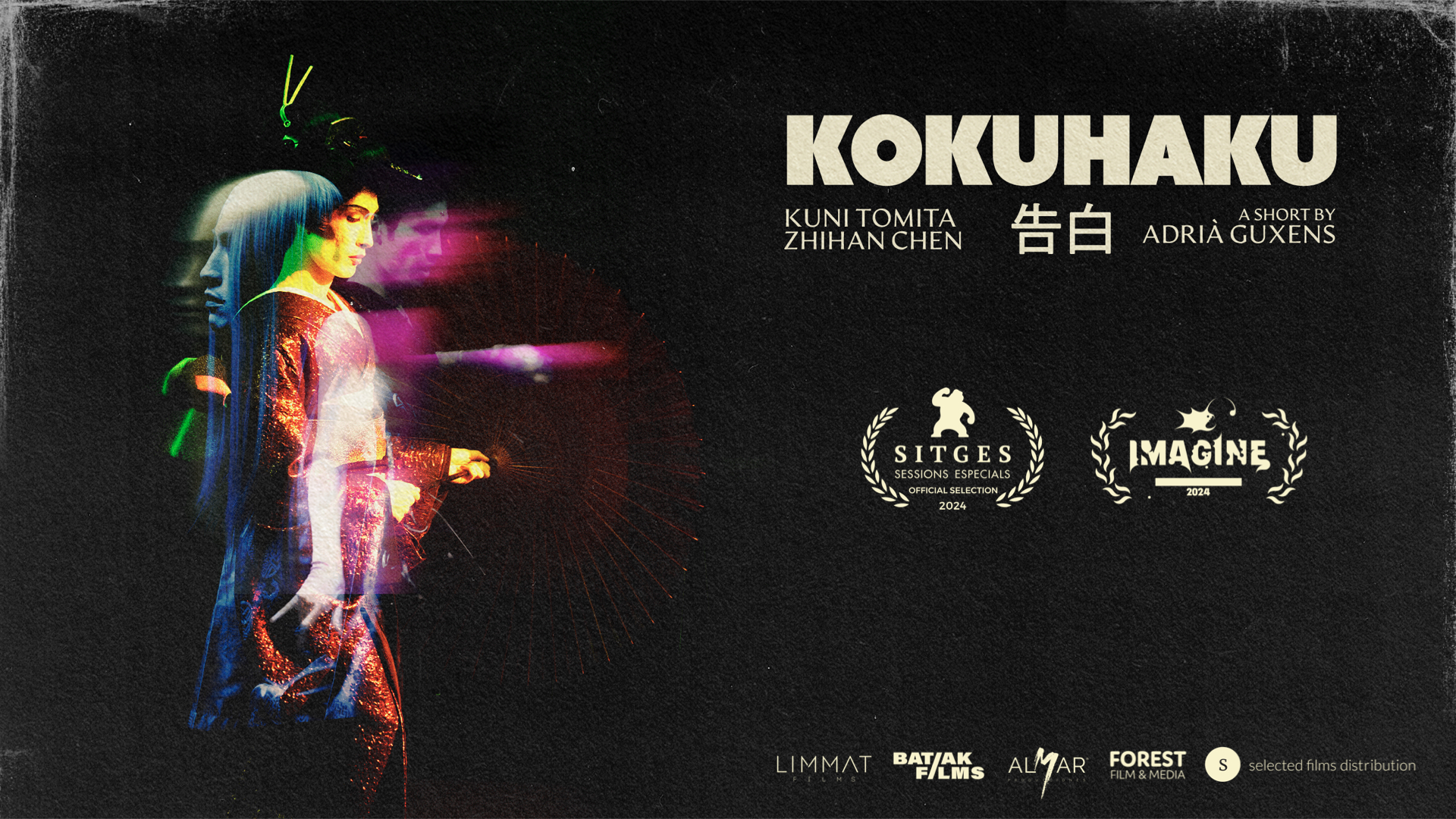
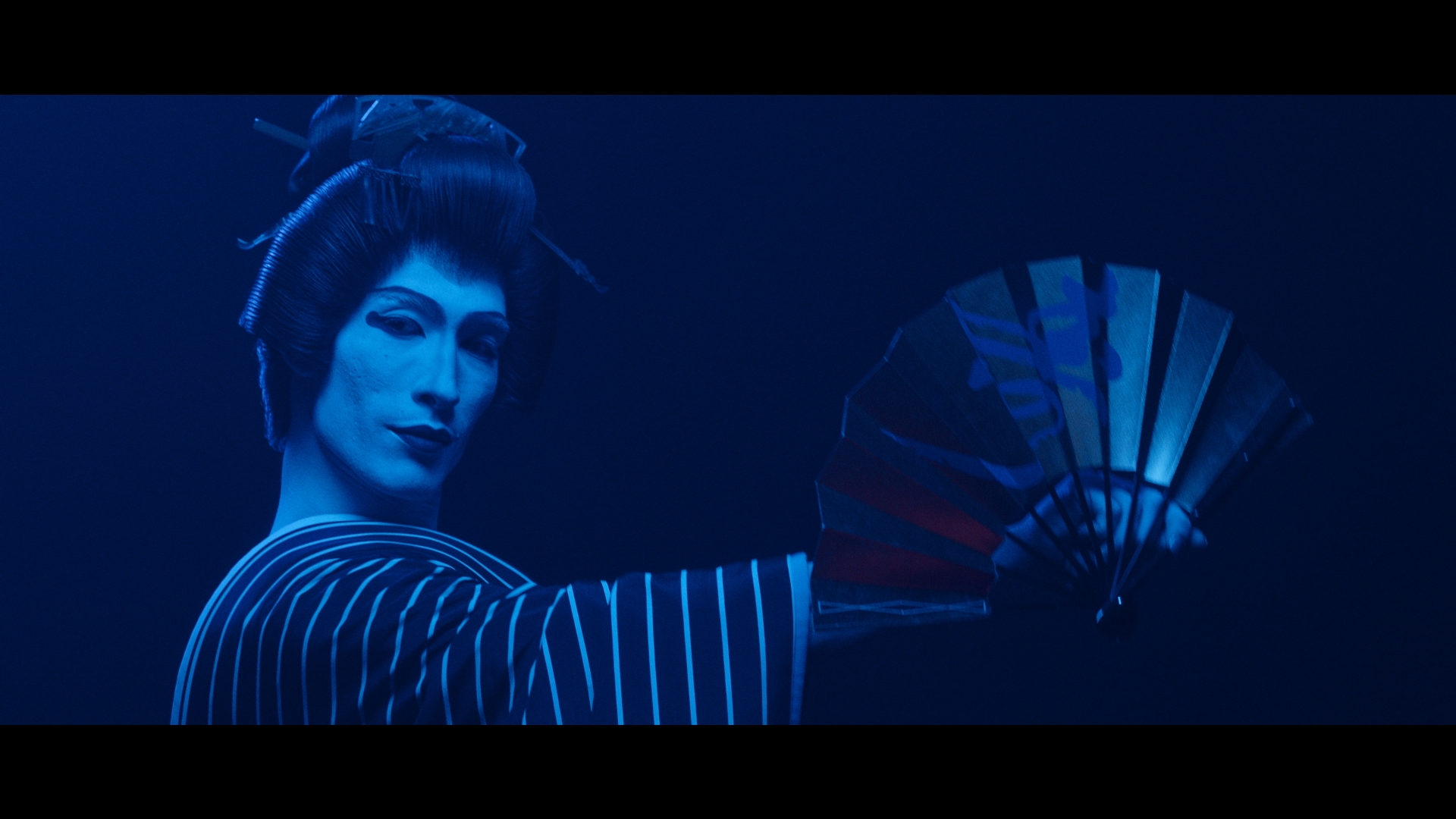
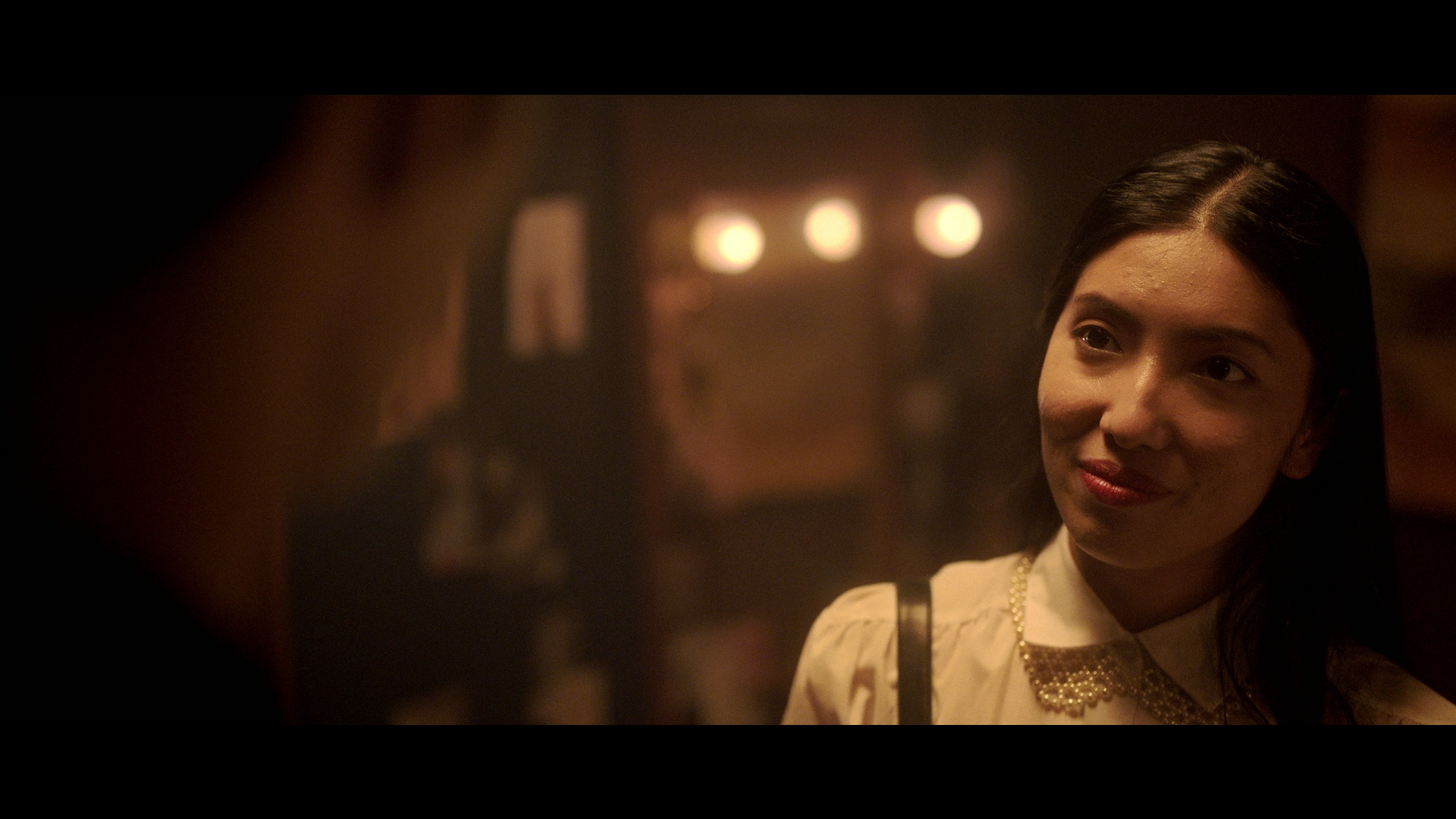
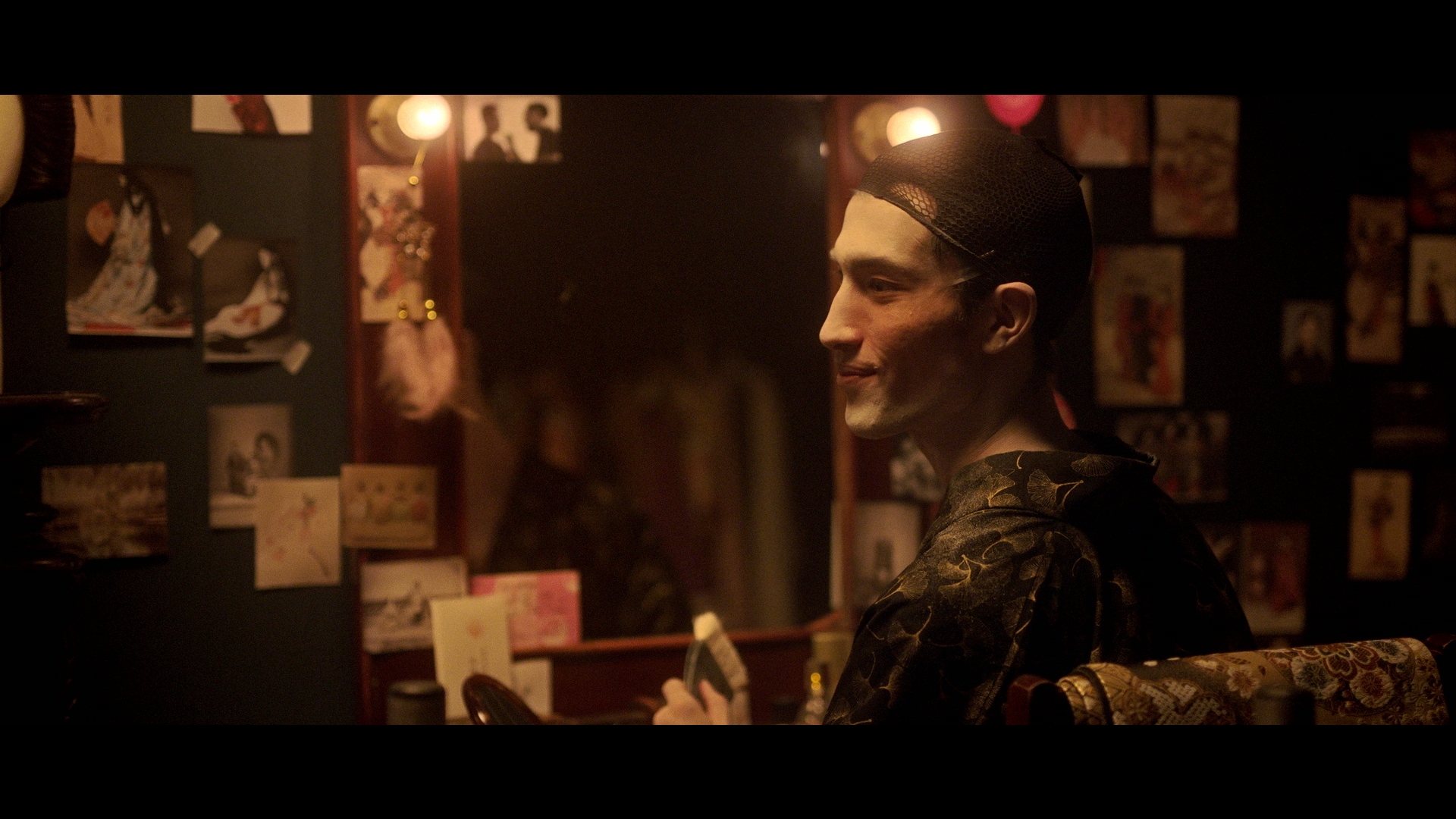
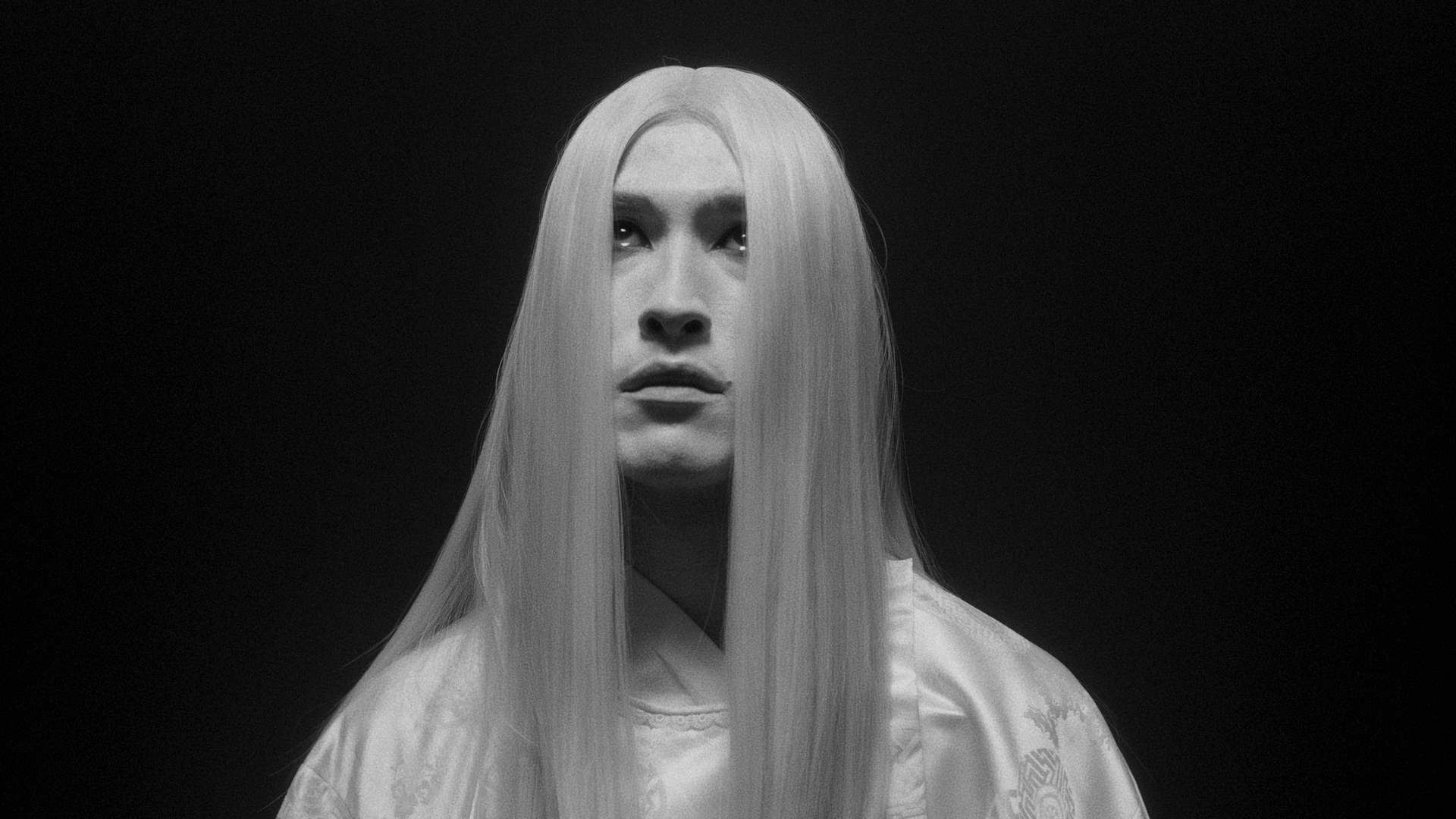
西班牙日裔青年演员Tadashi在类似歌舞伎的表演中扮演女性角色。在一次采访中,他将回到过去,重温那些最为私密的记忆。
During an interview, Tadashi, a young Spanish-Japanese actor who plays female characters in a theatrical practice similar to kabuki, will return to the past to relive his most intimate memories.
导演:阿德里亚·古申斯
编剧:富田久二、阿德里亚·古申斯
主演:富田久二、Zhihan Chen
制片人:阿德里亚·古申斯、富田久二、马克·奇卡、戴维·德尔加多、吉列姆·巴尔塞洛、路易·多明戈、玛丽玛尔·马塔斯、克拉拉·桑陶拉亚
摄影:伊雷妮·曼雷萨
类型:剧情短片
对白语言:西班牙语、日语
制作机构:Limmat Films、Batiak Films、Almar Producciones、Forest Film & Media
Director: Adrià Guxens
Screenwriter: Kuni Tomita, Adrià Guxens
Cast: Kuni Tomita, Zhihan Chen
Producer: Adrià Guxens, Kuni Tomita, Marc Chica, David Delgado, Guillem Barceló, Lluís Domingo, Marimar Matas, Clara Santaolaya
Cinematographer: Irene Manresa
Genre: Narrative Short Film
Dialogue: Spanish, Japanese
Production Company: Limmat Films, Batiak Films, Almar Producciones, Forest Film & Media
阿德里亚·古申斯 Adrià Guxens
阿德里亚·古申斯毕业于巴塞罗那自治大学新闻学专业, 以及巴塞罗那加泰罗尼亚电影学院电影导演专业。他曾执导短片《门》(入围多伦多国际儿童电影节)、《我想不会下雨》(于毕尔巴鄂国际纪录片与短片电影节首映,并在马拉加电影节获奖),以及《遥远的声响》(于巴塞罗那D’A电影节首映)。他目前有两部剧情电影正在进行:《三首歌》,该项目在希洪国际电影节FICX Pro单元中获奖;以及《龙泉》,将于近期在中国拍摄。
Graduated in Journalism (UAB) and in Film Direction (ESCAC). He has directed the shorts The Door (selected at TIFF KIDS), I Don’t Think It Is Going to Rain (première at ZINEBI and awarded at Málaga) and A Distant Noise (première at the D’A Film Festival Barcelona). He is developing two feature films: Three Songs, a project awarded at the FICX Pro (Gijón), and Lóngquán, which will be filmed in China shortly.
导演阐述 Director’s Statement
我一直希望能在自己的作品中探讨“男性气质”的概念,去审视被称作“男子气概”的东西是多么脆弱,尤其是在亚洲文化语境中,由于儒家传统的影响,父权结构的主导地位尤为强势。当眼下的世界正经历着恐同与种族主义的复苏,我们相信,这部在形式与主题上都十分酷儿的短片——其中男主角采取操演性的女性姿态,先后变身为女形(注:歌舞伎中饰演女角的男演员)与美少女战士——能够帮助提升电影中鲜少被呈现的西班牙亚裔LGBTI+群体的可见性。
这同样也是一个关于跨文化交流的故事。片中,一位西班牙日裔演员与一位中国记者在异国他乡进行交流与碰撞。这是一个对他们而言意味着逃离之路的国度,但他们从未放弃自身的身份。我认为,展现文化与语言在社会中的共存与交融十分重要。这种现象在生活中自然发生,但在电影中却缺乏相应的参照,因为亚洲角色仍然面临着严重的刻板化与污名化。因此,我将《告白》视作一首关于生命与赋权的赞歌。因为若非为我们所渴望的事物而奋斗,并且最重要的是,若非勇敢地拥抱真正的自己,我们就无法真正地活着。
I had been wanting to address the concept of masculinities in one of my stories for a while; to explore how fragile that thing some call “being a man” can be, especially within Asian culture, where the dominance of the patriarchal structure is particularly strong due to Confucian tradition. At a time when we are experiencing a wave of homophobia and racism around the world, we believe that this short film, entirely queer in its form and theme and featuring a male protagonist who adopts a performative feminine attitude by transforming first into an onnagata and later into Sailor Moon, can help give visibility to a group that is barely represented in our cinema: the Asian-Spanish LGBTI+ community.
This is also a story of intercultural dialogue. In it, a Japanese-Spanish actor and a Chinese journalist exchange reflections in a country that has served as an escape route for them, without having abandoned their identities. By this, I mean that it is essential to show the coexistence and blending of cultures and languages in our society, something that happens naturally but has few references, as Asian characters are still heavily stigmatized. Thus, I feel Kokuhaku as a song to life and empowerment, because we cannot live unless we fight for what we want and, above all, unless we embrace who we are.