Girl-Boy
女孩-男孩
阿贾伊·阿巴拉卡 Ajay Abalaka
2025|我们的共同体 Communities for Queer
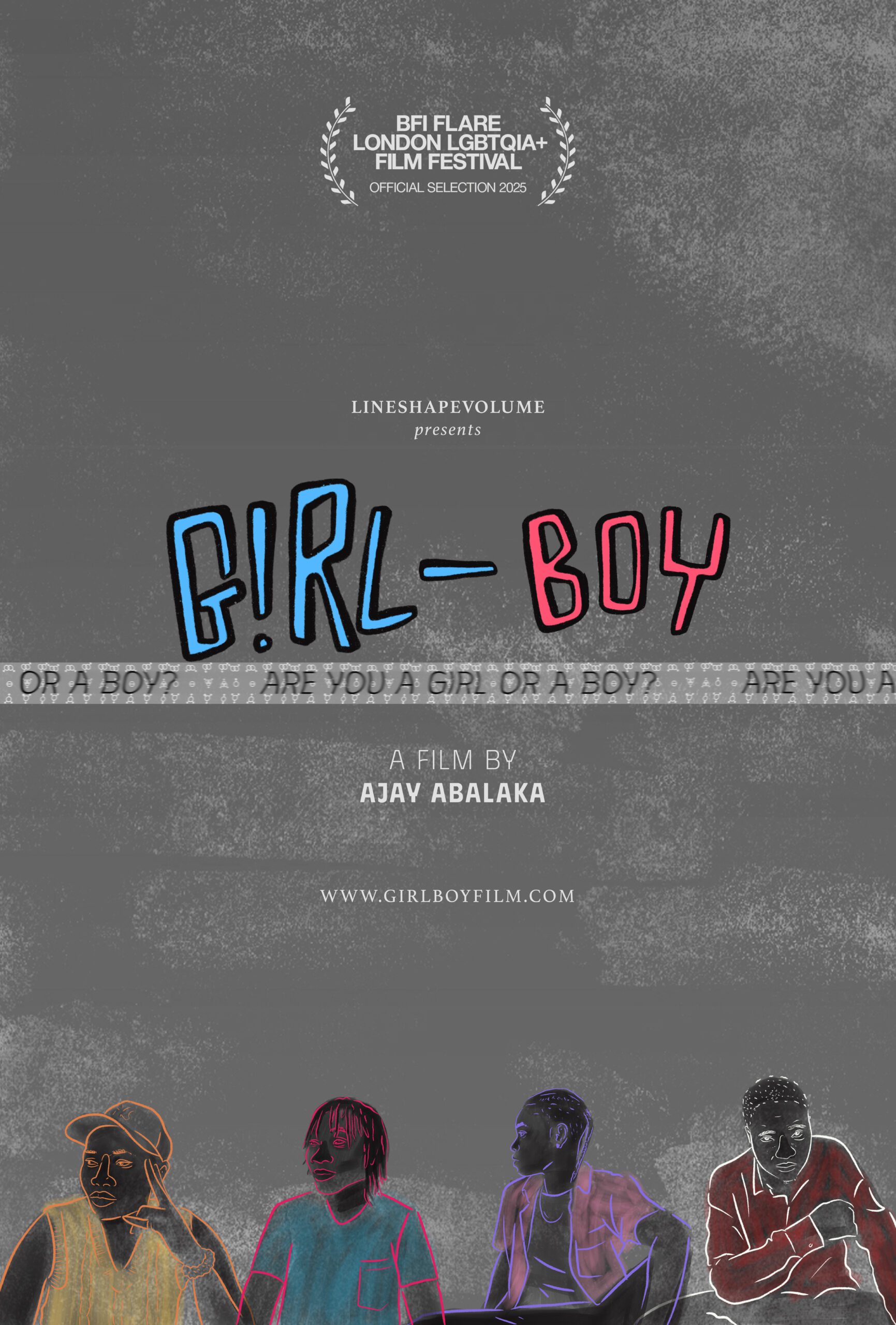
通过提努克、弗雷德、艾拉和拉拉的生命轨迹,《女孩-男孩》细腻勾勒出尼日利亚社会中性别表达的多重困境、社会规训与自我接纳的艰难历程。
提努克的故事起点,是一次陌生人的突兀发问——“你为什么看起来像个男孩?”这句话点燃了她的自我探索,也让她在“必须顺从女性气质”的压力下,更加渴望坚守真实的自我。弗雷德在父权家庭中长大,明明是学校男子足球队里最出色的球员,却为了迎合父亲,不得不放弃挚爱的足球——父亲坚信足球会让她失去对男性的吸引力。艾拉反思自己:究竟是因为母亲的男性化气质影响了她,还是因为与一群表兄弟一同成长?而拉拉则忆起在市场奔波的童年,那份早熟的独立从此伴随一生。
随着年龄增长,她们的挣扎愈演愈烈。提努克和朋友们因“不合性别二元框架”而被警方无端拘押,折射出尼日利亚酷儿群体所处的危险处境。弗雷德在圣诞派对上因性别身份遭到羞辱,与母亲的矛盾加深;父亲的占卜者甚至断言她是“女同性恋”。艾拉常被误认为男性,有一次,她不得不掀起背心来证明自己的性别。拉拉则坦言,她的外貌让许多工作机会与她失之交臂,因为雇主常说,他们要的是“女孩,而不是像男孩的女孩”。
然而,时间也赋予她们力量。她们不断重申自我身份,挑战性别规训,在一个追求同质化的社会中顽强拥抱个体的独特。提努克愈发坚定地接受自己的非顺从性别身份,并最终赢得父母的接纳。弗雷德离开家乡,摆脱家庭束缚,追寻心之所向。拉拉在争议声中坦然拥抱自己的男性气质;而艾拉,则以自己的方式定义美与身份,直面世俗对女性气质的刻板要求,尽管偏见从未消散。
Through the lives of TINUKE, FRED, ELLA, and LARA, GIRL-BOY explores the complexities of gender expression, societal pressure, and self-acceptance in Nigeria. Tinuke’s journey begins with a pivotal encounter where a stranger asks why she looks like a boy, sparking her self-discovery and shaping her desire to embrace her true self despite pressures to conform to femininity. Fred, raised in a patriarchal household, gives up playing football, despite being the best player on her school’s all-boys team, to maintain peace with her father, who believes football makes her less desirable to men. Ella reflects on whether her mother being masculine-presenting influenced her or if it was shaped by growing up with male cousins. Lara recalls her childhood hustling in the market, which fostered her early independence.
As they grow older, their struggles intensify. Tinuke and her friends are wrongfully detained by police, highlighting the dangers faced by queer Nigerians, especially those who do not fit into the binary. Fred is humiliated at a Christmas party when her gender is questioned and faces tension with her mother, especially after her father’s truth-sayer labels her a lesbian. Ella is frequently mistaken for a man and, on one occasion, reveals her singlet to assert her gender. Lara shares how her appearance limits job opportunities, as employers often seek “a girl, not a boy-looking girl.”
Over time, each woman reaffirms her identity, challenges gender norms, and embraces her individuality in a society that demands conformity. Tinuke grows confident in her gender-nonconforming identity and gains her parents’ acceptance. Fred leaves her hometown to escape familial pressures and pursue a job she loves. Lara embraces her masculinity despite the backlash, while Ella asserts her beauty and identity on her own terms, challenging stereotypical expectations of womanhood, though prejudice persists.
导演:阿贾伊·阿巴拉卡
制片人:阿贾伊·阿巴拉卡
摄影:阿贾伊·阿巴拉卡
类型:记录短片
时长:30分钟
完成时间:2025年
对白语言:英语
地区:尼日利亚
制片公司:线型传媒
Director: Ajay Abalaka
Producer: Ajay Abalaka
Cinematographer: Ajay Abalaka
Genre: Documentary Short Film
Length: 30 min
Year: 2025
Dialogue: English
Region: Nigeria
Production Company: LineShapeVolume
阿贾伊·阿巴拉卡 Ajay Abalaka
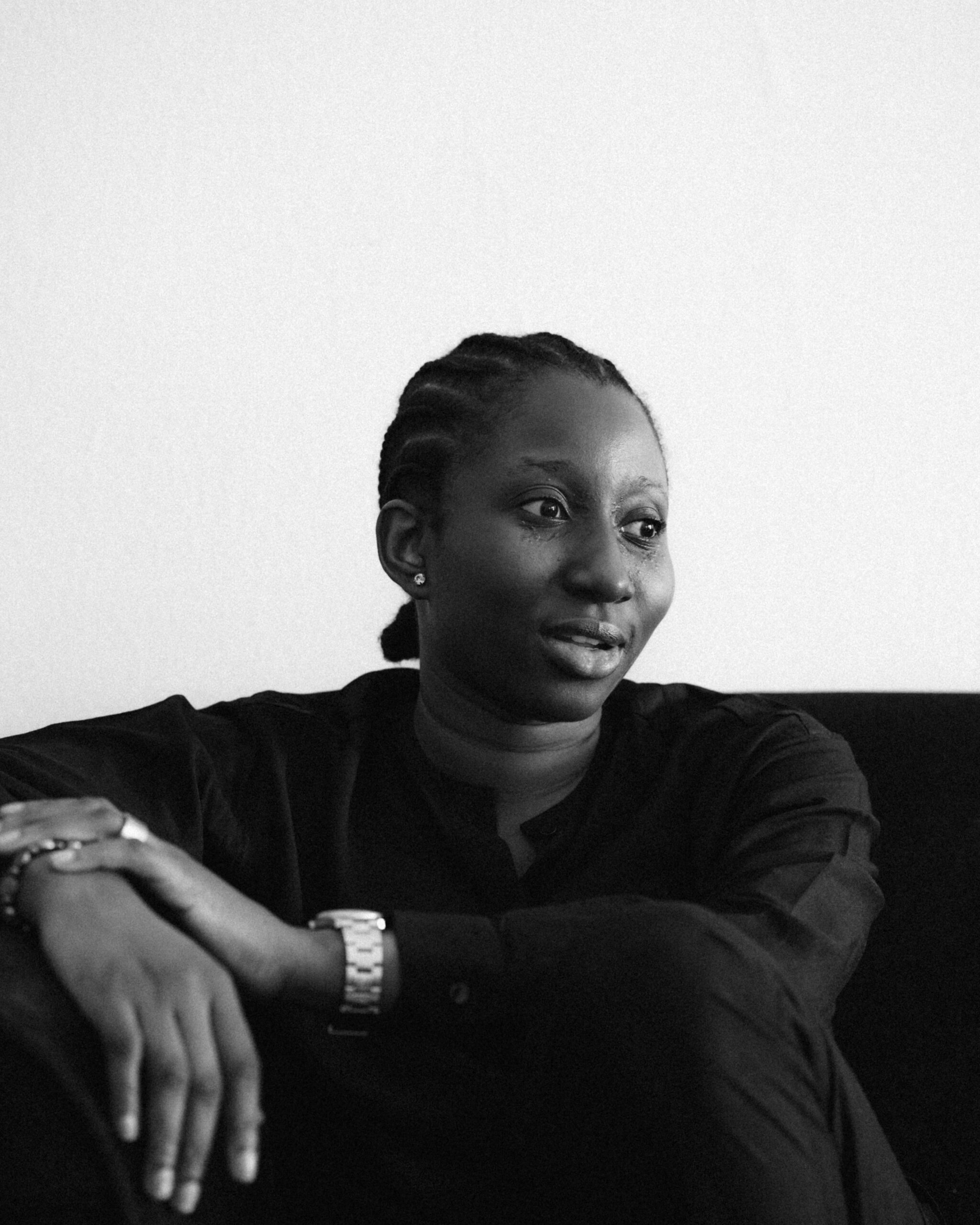
阿贾伊·阿巴拉卡是一位摄影师、电影人和音乐人,她的创作始终关注尼日利亚的身份认同、文化传承与边缘群体的处境。她毕业于英国肯特大学,主修艺术史与电影学,作品横跨纪录片、实验影像与多媒体叙事。
她的最新作品《女孩-男孩》(2025)探讨了尼日利亚的性别表达议题。她的早期作品包括《镜中我》(2022),这是一部以人文关怀为核心的纪录片短片系列,从独特角度展现人与社区的关系。通过她创办的制片公司与创意工作室线型传媒,阿贾伊不断创作,挑战既有叙事,并为尼日利亚的酷儿群体开拓更多表达空间。
Ajay Abalaka is a photographer, filmmaker, and musician exploring identity, heritage, and marginalised experiences in Nigeria. She holds a degree in Art History and Film Studies from the University of Kent, and her work spans documentary, experimental film, and multimedia storytelling.
Her latest project, Girl-Boy (2025), is a documentary examining gender expression in Nigeria. Her previous work includes “Mirror Me” (2022), a humanist short documentary series that offers new perspectives on people and communities. Through her production company and creative studio, LineShapeVolume, Ajay continues to develop projects that challenge narratives and expand queer representation in Nigerian storytelling.
导演阐述 Director’s Statement
《女孩-男孩》这个片名,源于我童年的一段记忆。小学时,一位老师因为觉得我走路像个男孩,便喊我“女孩-男孩”。在尼日利亚,这个称呼常被用来指代外貌带有男性气质的女性。作为这样的人长大,我常觉得自己格格不入——直到今天依然如此。在媒体上,我几乎看不到与自己相似的形象。长久以来,我都无法解释为何要以这样的方式表达自己,因为人们总逼问:“一定要有个原因吧?”直到某一刻我意识到,其实根本没有什么答案。于是,我开始想拍一部这样的电影。
《女孩-男孩》一直以来的目标,便是超越尼日利亚传统性别观念的束缚,去探索性别表达的复杂性。我希望这部电影能让像我一样的年轻女孩,在身份认同中获得力量与肯定;同时,也能让社会对性别表达有更广阔的理解。
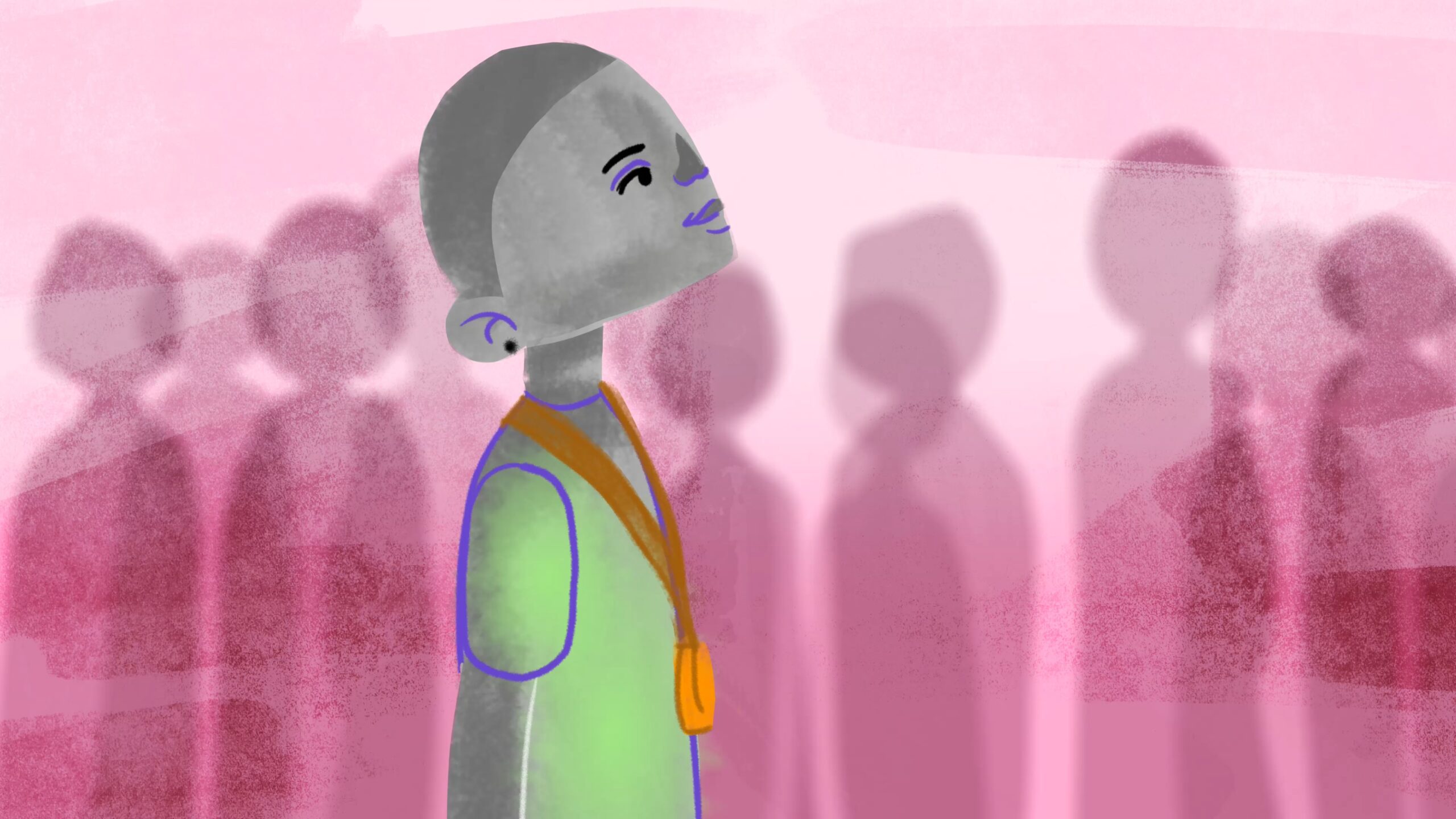
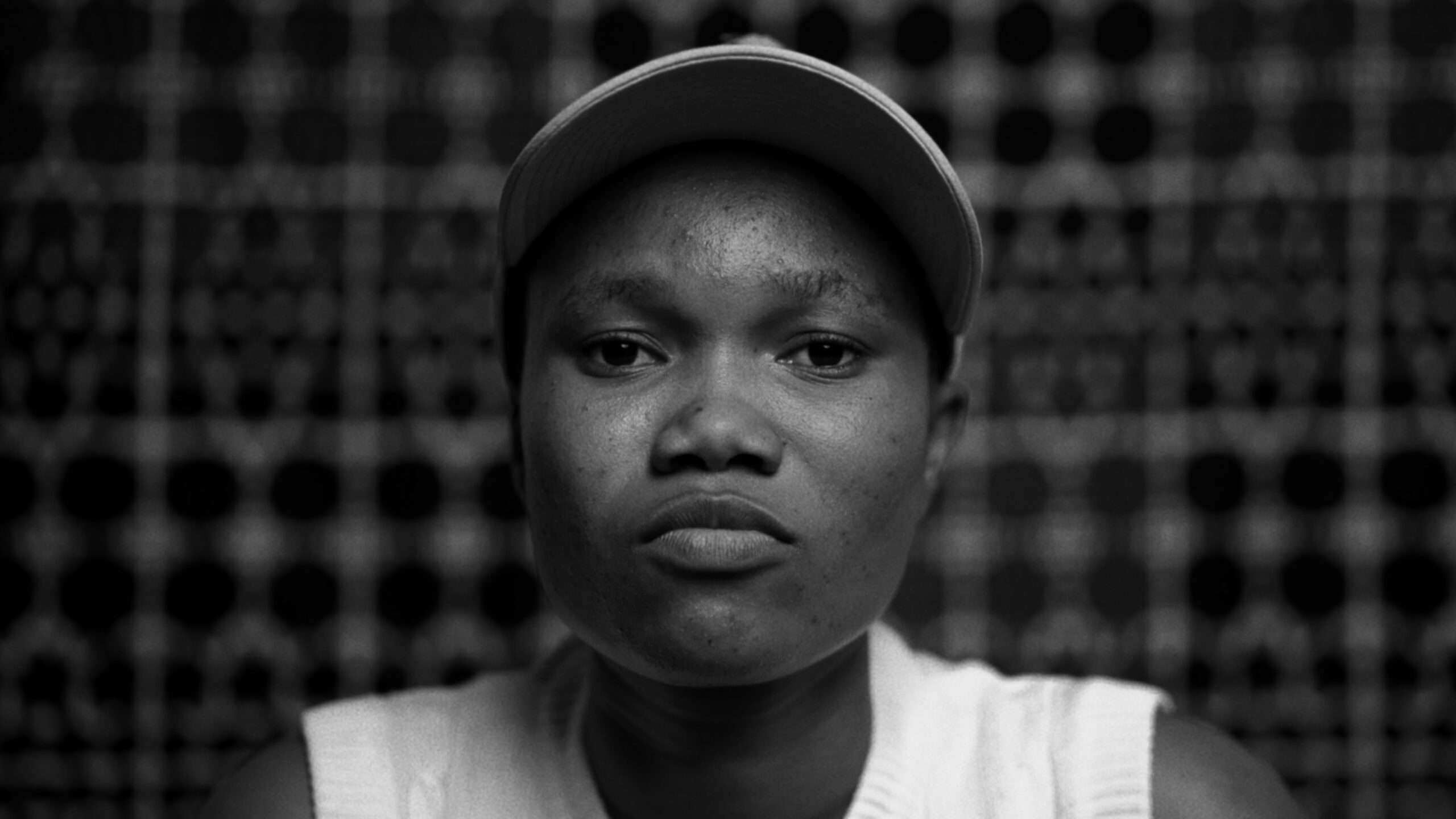
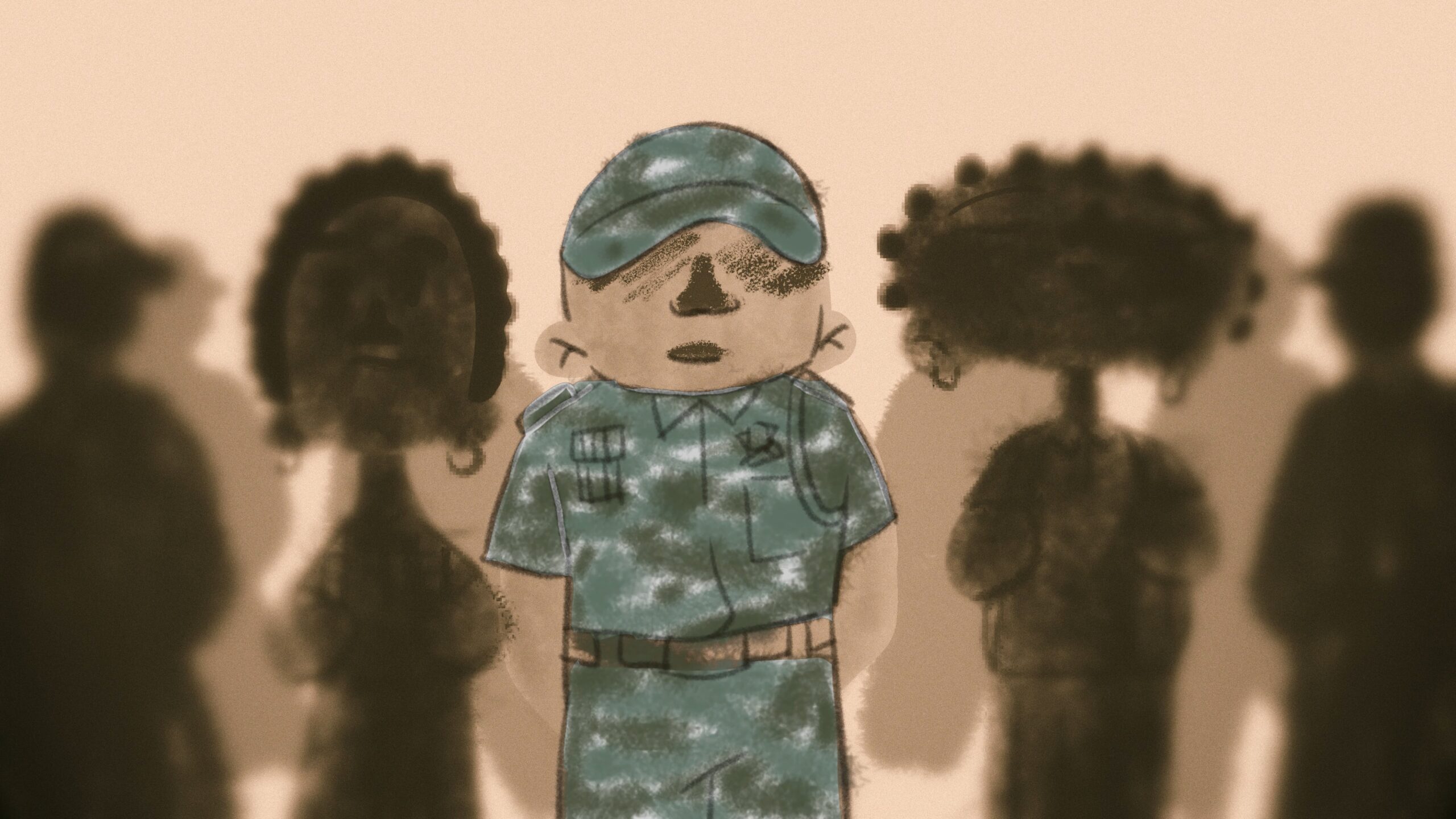
在影像风格上,我选择用黑白采访与彩色动画交织。黑白镜头去除干扰,让观众专注于讲述本身;而当影片转向彩色,象征着主人公逐渐学会接纳自我。动画的灵感来自德国表现主义艺术运动,它强调内心情感的张力胜过写实再现。于是我刻意摒弃背景人物、建筑与日常活动,只留下抽象的线条与形状,用它们去映射那种僵硬、压抑的性别理解。
借由《女孩-男孩》,我希望观众能够反思自己对性别的既有想象,并由此开启更广泛的对话:关于接纳,关于多元,关于再现。
The film’s title, “Girl-Boy” came from a childhood experience in primary school when a teacher called me a girl-boy because she thought I walked like a boy. In Nigeria, this term is often used to describe masculine-presenting women. Growing up as a masculine-presenting woman in Nigeria felt alien—and still does. I saw little to no representation of people like me in the media, and for the longest time, I couldn’t explain why I expressed myself the way I did—because people insisted there had to be a reason. When I realised there was no real answer to questions like, “Why do you behave like a boy?”, I began exploring the idea of making a film like this.
My goal with “Girl-Boy” was always to explore the complexities of gender expression beyond Nigeria’s traditional understanding of gender. I wanted to create a film for younger girls like me to feel validated in their identity, while also broadening society’s view of gender expression.
Visually, the film blends black-and-white interviews with colourful animation. I chose black and white for the interviews to strip away distractions and focus solely on the story. Later in the film, there is a shift to colour, reflecting how the subjects become more accepting of their identities. The animation style, particularly the abstract backgrounds, was inspired by the German Expressionist art movement that emphasised the artist’s inner emotions over realism. I deliberately avoided animated background characters, buildings, objects and activities in favour of abstraction, using crooked lines and shapes to symbolise a society that is rigid and restrictive in its understanding of gender.
Through Girl-Boy, I hope to encourage viewers to question their preconceptions of gender and inspire broader conversations about acceptance and representation.