East Palace West Palace
东宫西宫
张元 Zhang Yuan
2025|档案激活 404 Found!
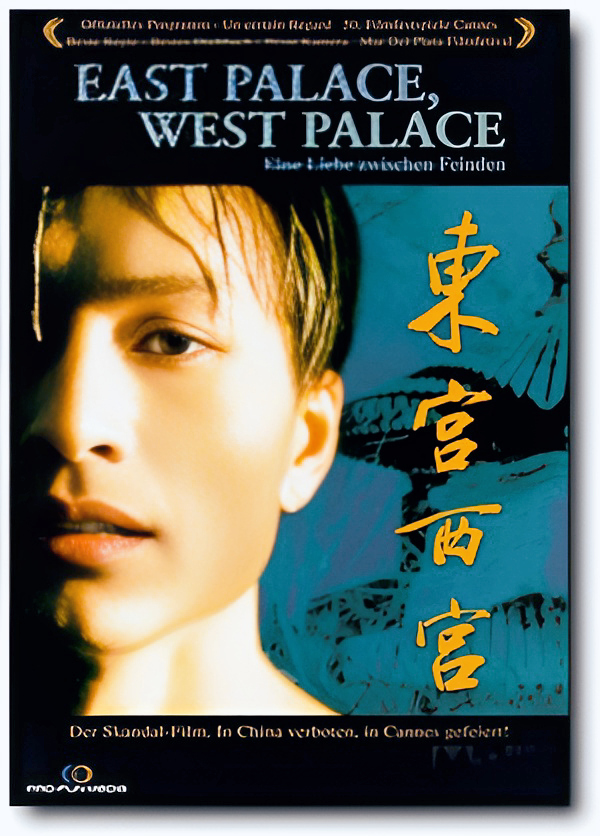
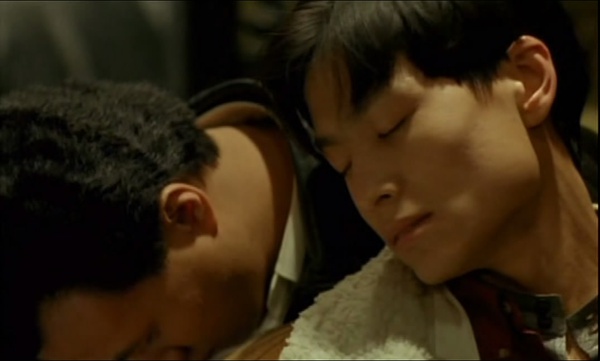
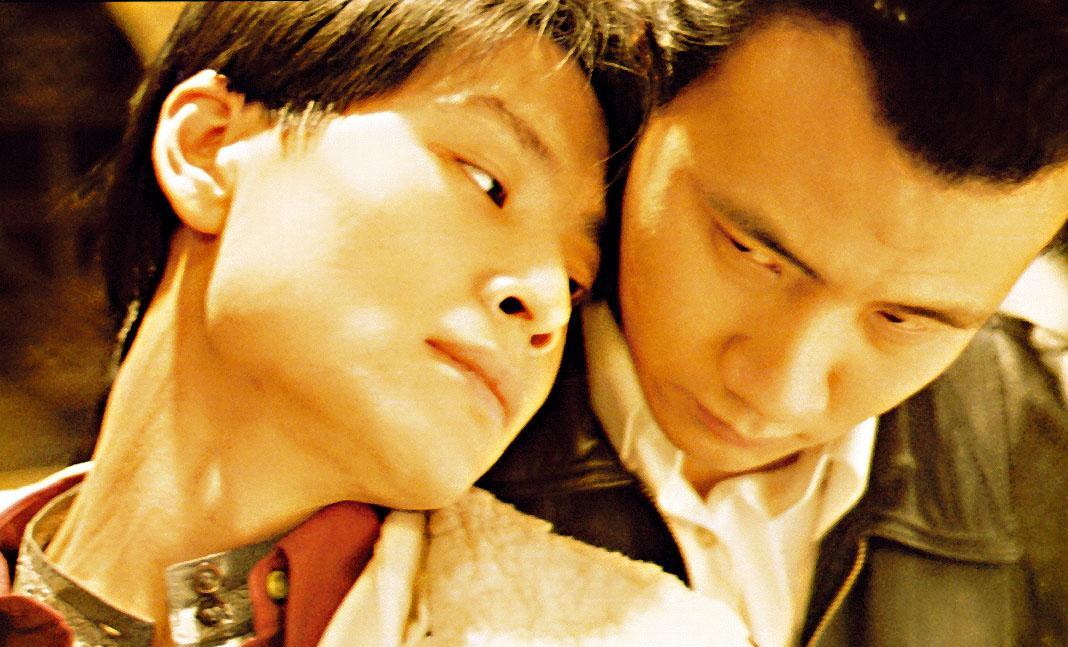
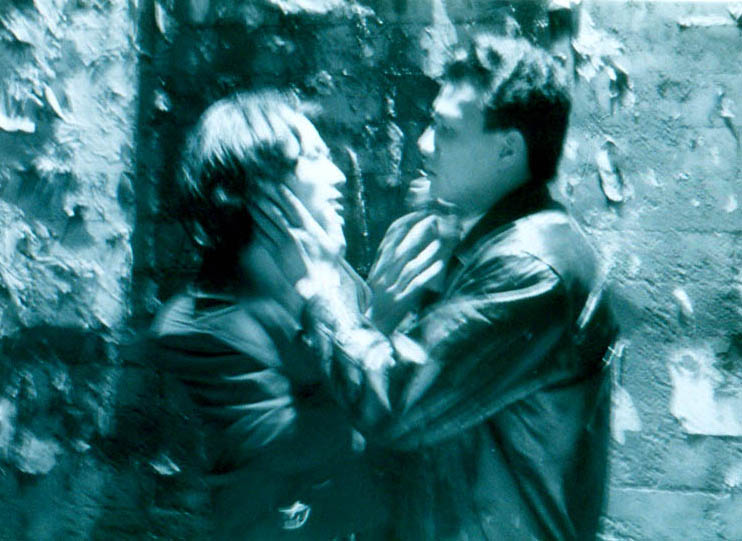
故事发生在北京,某公园(可能是“东宫”或者“西宫”)的夜里。这个公园是同性恋幽会的场所。公园派出所的警察小史在值夜班无聊寂寞时,就要到公园里抓一个同性恋来审一审,让他们交待自己的“活动”,以此消闲解闷。那个晚上他似乎是有意地逮住了阿兰,而阿兰也似乎期待着被捕。事情过去很久后,阿兰寄给小史一本书,扉页上印着:“献给我的爱人”。小史翻开书来,陷入回忆。书里的故事和那个晚上的事情夹杂在一起。这些故事里有阿兰的母亲;有中学班上的漂亮女同学“公共汽车”(就是谁爱上谁上的意思);还有一个古代的女贼,被衙役用锁链扣住了脖子和双手,在漫天飞雪中踉踉跄跄地行走。阿兰也叙述了他的同性恋生活的几个片段。整个影片就是警察小史在审问阿兰的经过。阿兰像在讲故事娓娓而谈,不时反客为主地挑逗审讯者;听故事的时而和善,时而暴戾。审讯者和被审讯者你进我退,我进你退,双方处于微妙的胶着状态。不知不觉地警察完全陷入了被动的境地:他唯一能够维持权威的手段就是施虐,殊不知这对阿兰来说是正中下怀——施虐的一方无意中扮演了受虐者期待他扮演的角色,也就是说,原先处于弱势的一方占据了心理战的支配地位。在电影的末尾,小史对阿兰无计可施,只得使用暴力,但是阿兰在经受侮辱之后反而活像个胜利者,而小史却满脸困惑。
获奖:96年阿根庭马德普拉塔电影节最佳导演、最佳剧本和最佳摄影奖3项大奖,97年意大利陶尔米纳影展最佳影片奖获奖作品。
In China, homosexuality isn’t illegal, but homosexuals are routinely persecuted by police and arrested for “hooliganism”. The film focuses on a young gay writer A-Lan who, being attracted to a young policeman, manages to have himself interrogated for a whole night. His life-story which he tells during the interrogation reflects the general repression of the Chinese society. The policeman’s attitude shifts from the initial revulsion to fascination and, finally, to attraction…
Prize: 1996 Mar del Plata Film Festival, Best Director, Best Screenplay, Best cinematography; 1997 TaorminaFilmFest Award Best film.
导演:张元
编剧:王小波、张元
演员:司汗、胡军、赵薇
类型:剧情长片
对白语言:汉语普通话
Director: Zhang Yuan
Screenwriter: Wang Xiaobo, Zhang Yuan
Cast: Si Han, Hu Jun, Zhao Wei
Genre: Narrative Feature Film
Language: Mandarin Chinese
张元 Zhang Yuan
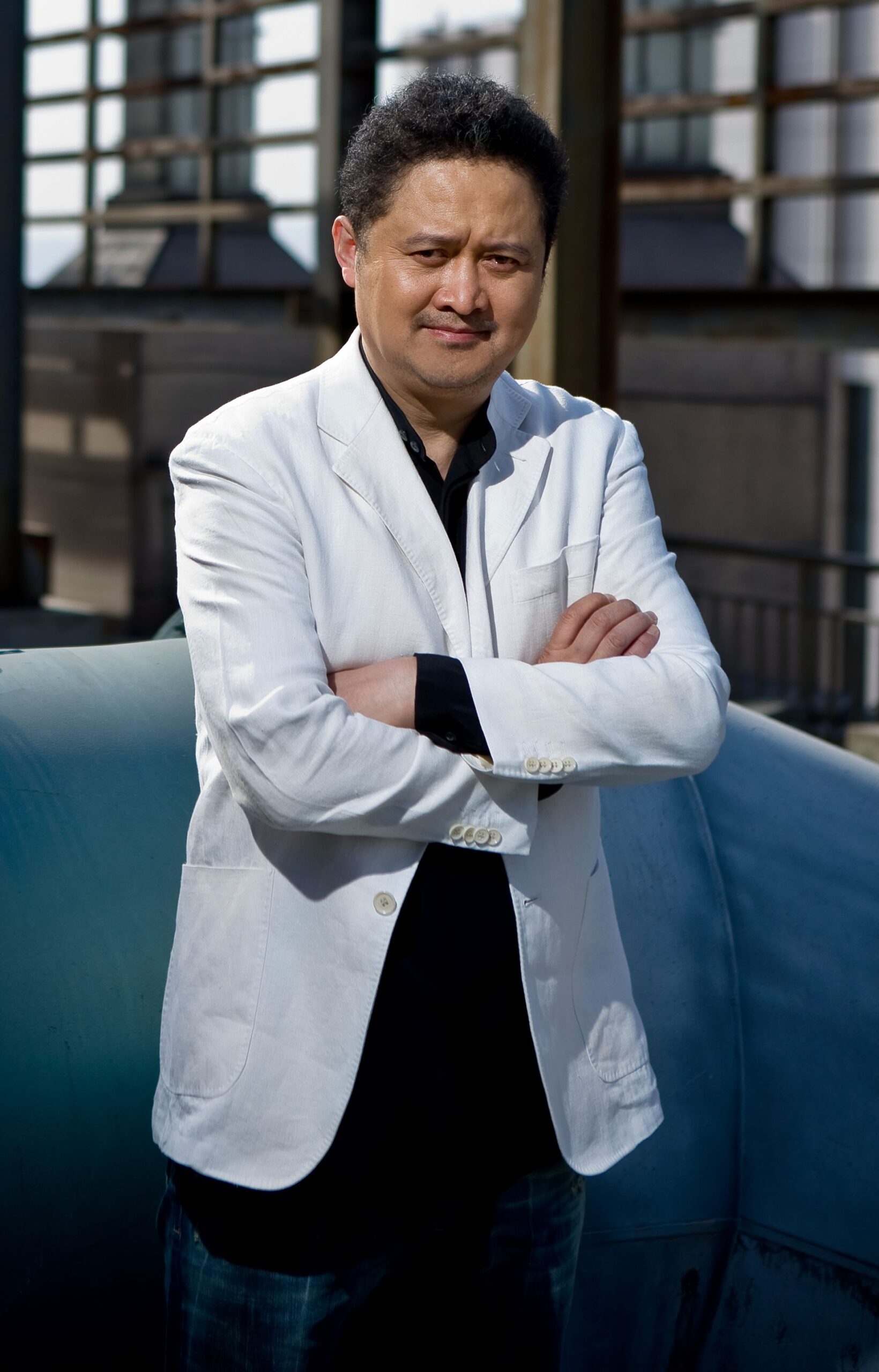
张元出生于1963年10月,江苏南京。他自幼学习绘画与素描。1989年,他毕业于北京电影学院,获学士学位。毕业后,他自筹资金拍摄了他的首批电影,这些作品奠定了中国当代电影发展的基础。美国《时代》周刊将他评为“21世纪100位青年领袖”之一,中国《新青年》杂志将他列入“影响下个世纪的100名青年”榜单,新周刊与新浪网则评他为“塑造今日中国的十大青年人物”之一。1999年,他凭借影片《过年回家》(Seventeen Years)获得威尼斯电影节最佳导演奖。2006年,他获得梵蒂冈的罗伯特·布列松奖。
Zhang Yuan was born in October 1963 in Nanjing, Jiangsu Province. He studied drawing and painting from an early age. In 1989, he graduated from the Beijing Film Academy with a bachelor’s degree. After graduation, he raised funds independently to produce his first films, which laid the foundation for Chinese filmmaking in recent times. The American magazine Time named him one of the “Top 100 Youth Leaders of the 21st Century.” China Youth magazine included him in a list of the “Top 100 Youth Who Will Influence the Coming Century,” and New Weekly and Sina.com named him one of the “Top 10 Young Figures Shaping Today’s China.” In 1999, for his film Seventeen Years, he received the Best Director Prize at the Venice Film Festival. In 2006, he was awarded the Vatican’s Robert Bresson Prize.
导演阐述 Director’s Statement
此次爱酷电影周上,《东宫西宫》将在法国使馆文化中心以胶片形式放映,实属难得。谁能想到法国使馆还保留胶片放映机,这部上世纪1996年的电影,已经三十年了。我们在地下室里找到了胶片拷贝,用这种古老和真实的光影质感与朋友重逢,有些格外珍贵;希望这么久的胶片不要断裂。
当年,华语影坛还没有“酷儿电影”的称谓,在上世纪91年的时候,因为一个真实事件使我产生了这个故事的冲动。宁岱于是便开始打磨了故事梗概。初次与王小波见面是在紫竹院公园,还有他的妻子李银河,正是李银河提议,让王小波执笔剧本,与我们创作,那时未曾想,它会成为华语影坛“酷儿电影”的先行者。在这次放映中也让我们一起看年轻时的司汗、胡军、赵薇,看当年的表演光影和岁月。
At this year’s Beijing Queer Film Festival, East Palace, West Palace will be screened in 35mm film format at the French Institute — a rare occasion indeed. Who would have thought that they still keeps a functioning 35mm film projector? This film, made in 1996, has now reached its thirtieth year. We found the 35mm film print in a basement; to reunite with this work and its friends through the authentic texture of celluloid light feels especially precious. I only hope the reel won’t break after all these years.
Back then, there was not yet the term “queer cinema” in the Chinese-language film world. In 1991, a real-life event gave me the impulse to create this story. Ning Dai began to refine the synopsis. My first meeting with Wang Xiaobo took place in Beijing’s Zizhuyuan Park — he came with his wife, Li Yinhe. It was Li Yinhe who suggested that Wang Xiaobo write the screenplay with us. None of us imagined that it would later become a pioneering work of queer cinema in the Chinese-speaking world. In this screening, let us revisit the youthful faces of Si Han, Hu Jun, and Zhao Wei — the light, performance, and time of that era.