My Therapist Said, I Am Full of Sadness
忧忧愁愁地来了
莫妮卡·瓦妮莎·泰嘉 Monica Vanesa Tedja
2025|苦儿流浪记 Queer Diaspora
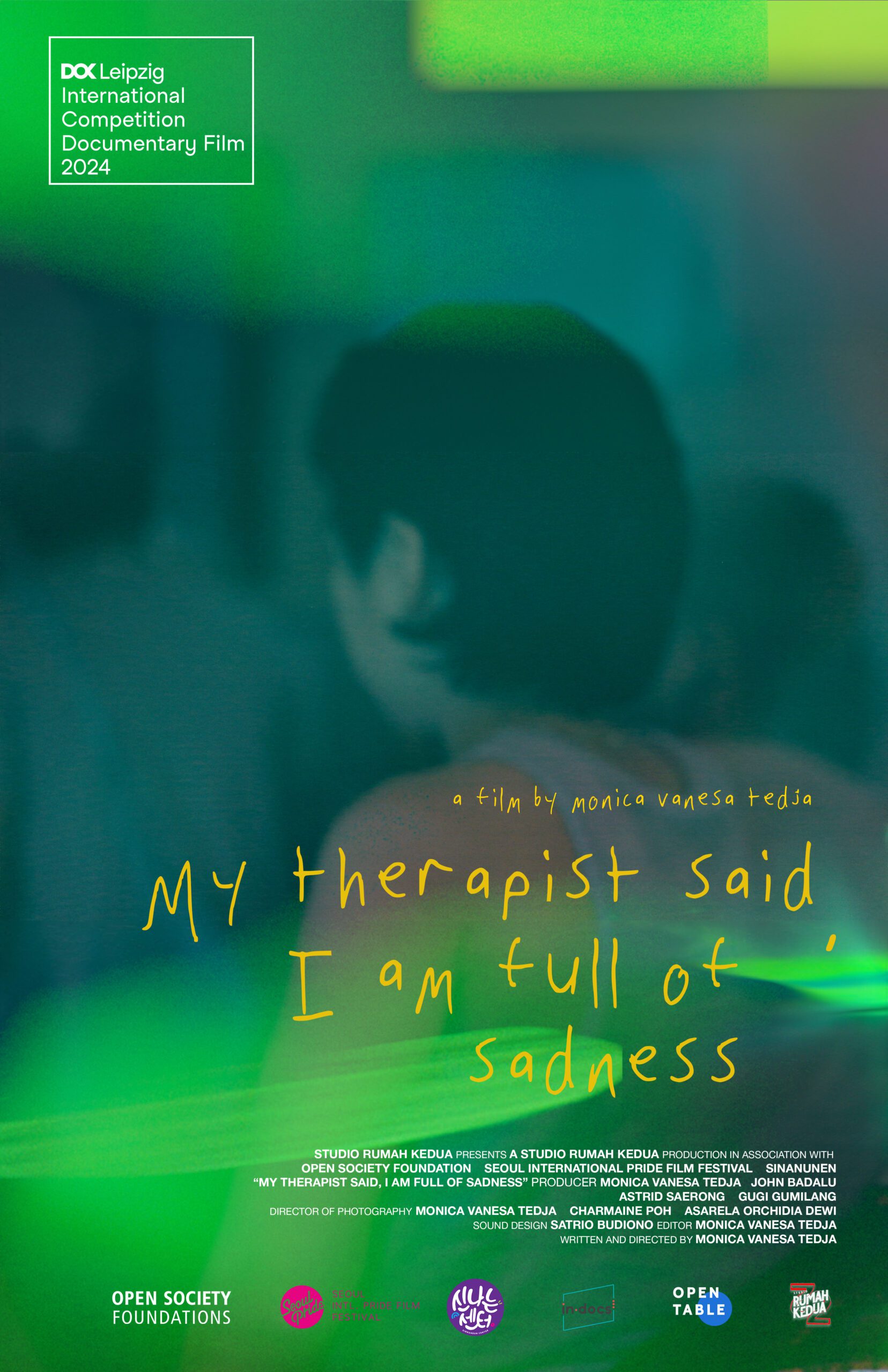
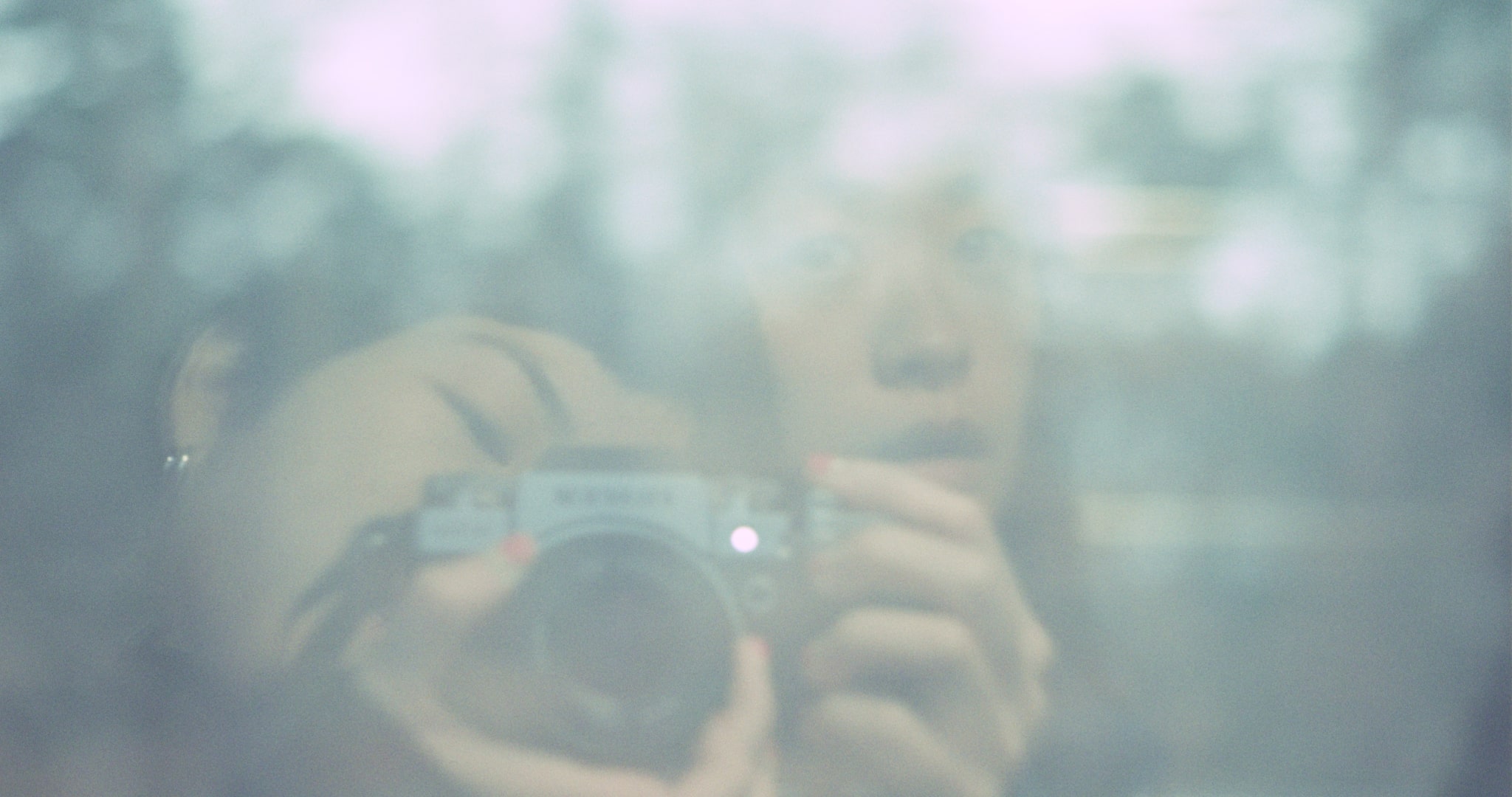
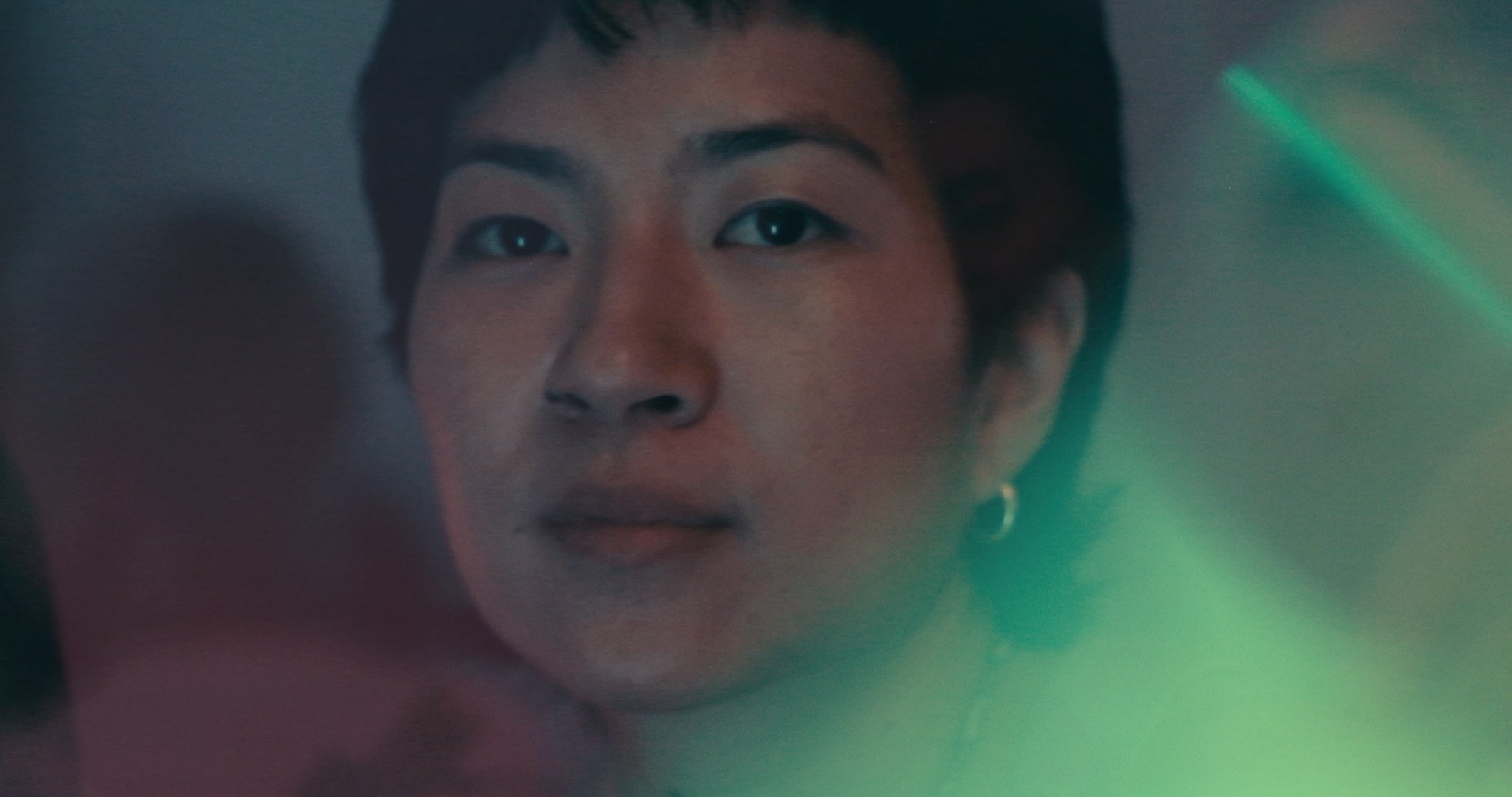
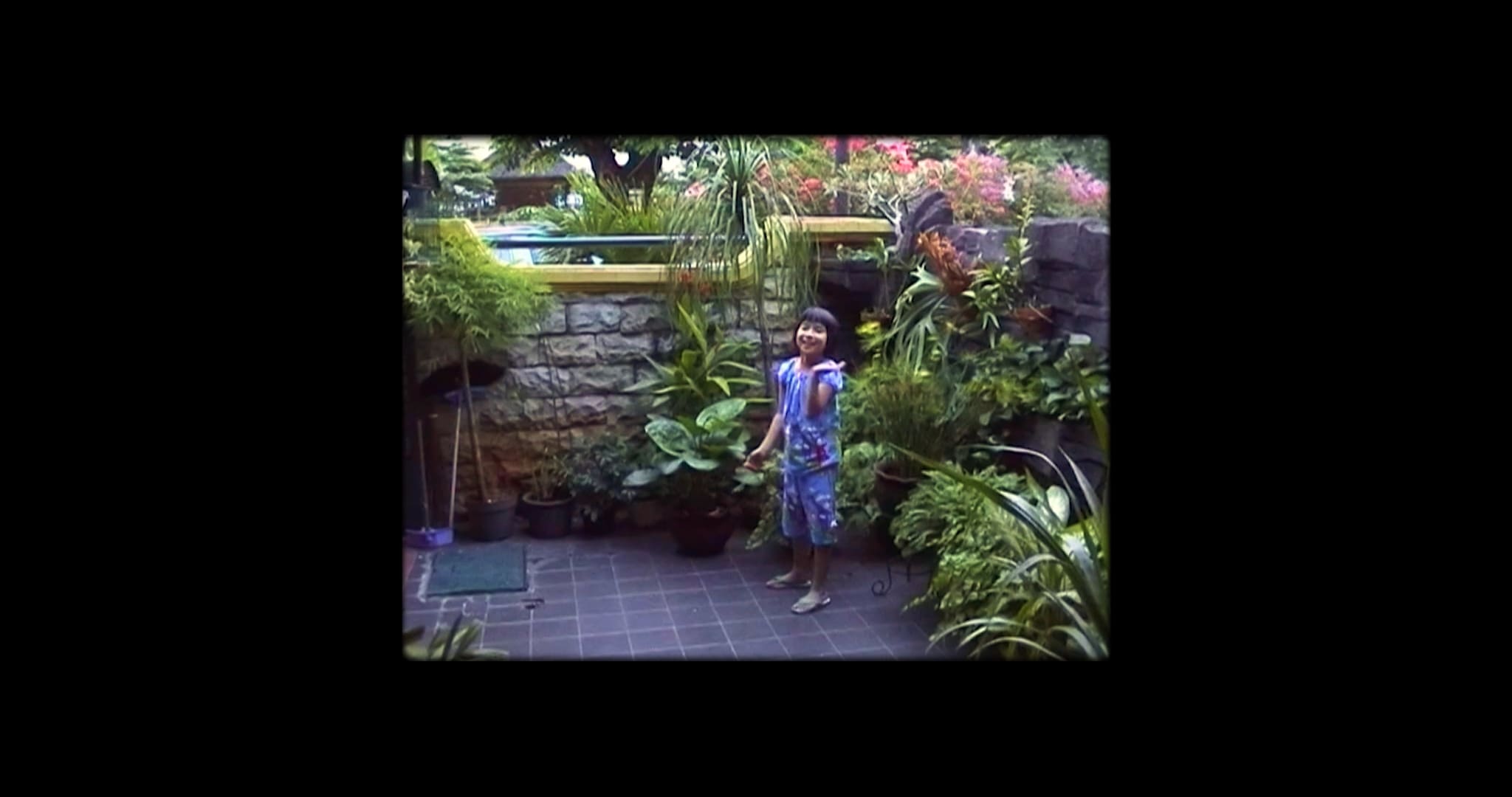
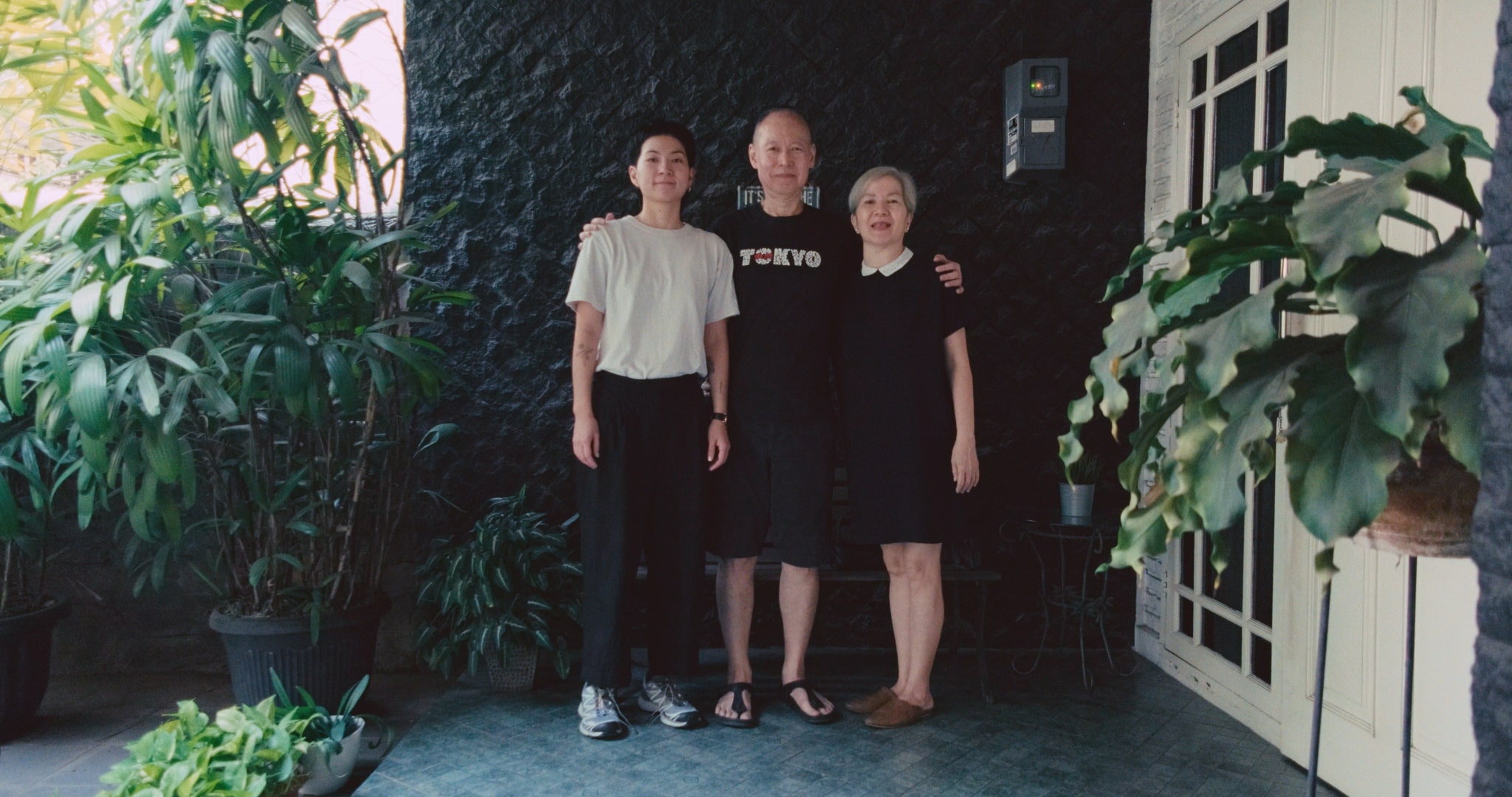
在为期三年的心理咨询过程中,一位电影创作者通过梳理两个家庭的档案材料——她虔诚的印度尼西亚基督教血缘家庭,以及她在柏林的酷儿自选亲缘家庭——思考着关于被完全接纳和被爱的问题。
During the three-year process of undergoing therapy, a filmmaker ponders the question of being fully accepted and loved by combing through archival material from their two families: their biological, devout Christian, Indonesian family, and their chosen queer kin in Berlin.
导演:莫妮卡·瓦妮莎·泰嘉
编剧: 莫妮卡·瓦妮莎·泰嘉
主演: 莫妮卡·瓦妮莎·泰嘉、里德万·泰嘉、胡利亚尼·贾哈、查梅因·波赫、阿里尔·维克托、安德拉·斯特凡诺夫斯基
制片人:莫妮卡·瓦妮莎·泰嘉、约翰·巴达卢、古吉·古米朗、阿斯特丽德·塞隆
摄影:莫妮卡·瓦妮莎·泰嘉、查梅因·波赫、阿萨雷拉·黛维
类型:纪录短片
时长:23 分钟
对白语言:印度尼西亚语、英语
制作机构:第二个家电影工作室
Director: Monica Vanesa Tedja
Screenwriter: Monica Vanesa Tedja
Cast: Monica Vanesa Tedja, Riawan Tedja, Juliani Jahja, Charmaine Poh, Ariel Victor, Andra Stefanowski
Producer: Monica Vanesa Tedja, John Badalu, Gugi Gumilang, Astrid Saerong
Cinematographer: Monica Vanesa Tedja, Charmaine Poh, Asarela Dewi
Genre: Documentary Short Film
Length: 23 min
Language: Bahasa Indonesia and English
Production Company: PT. Studio Rumah Kedua
莫妮卡·瓦妮莎·泰嘉 Monica Vanesa Tedja
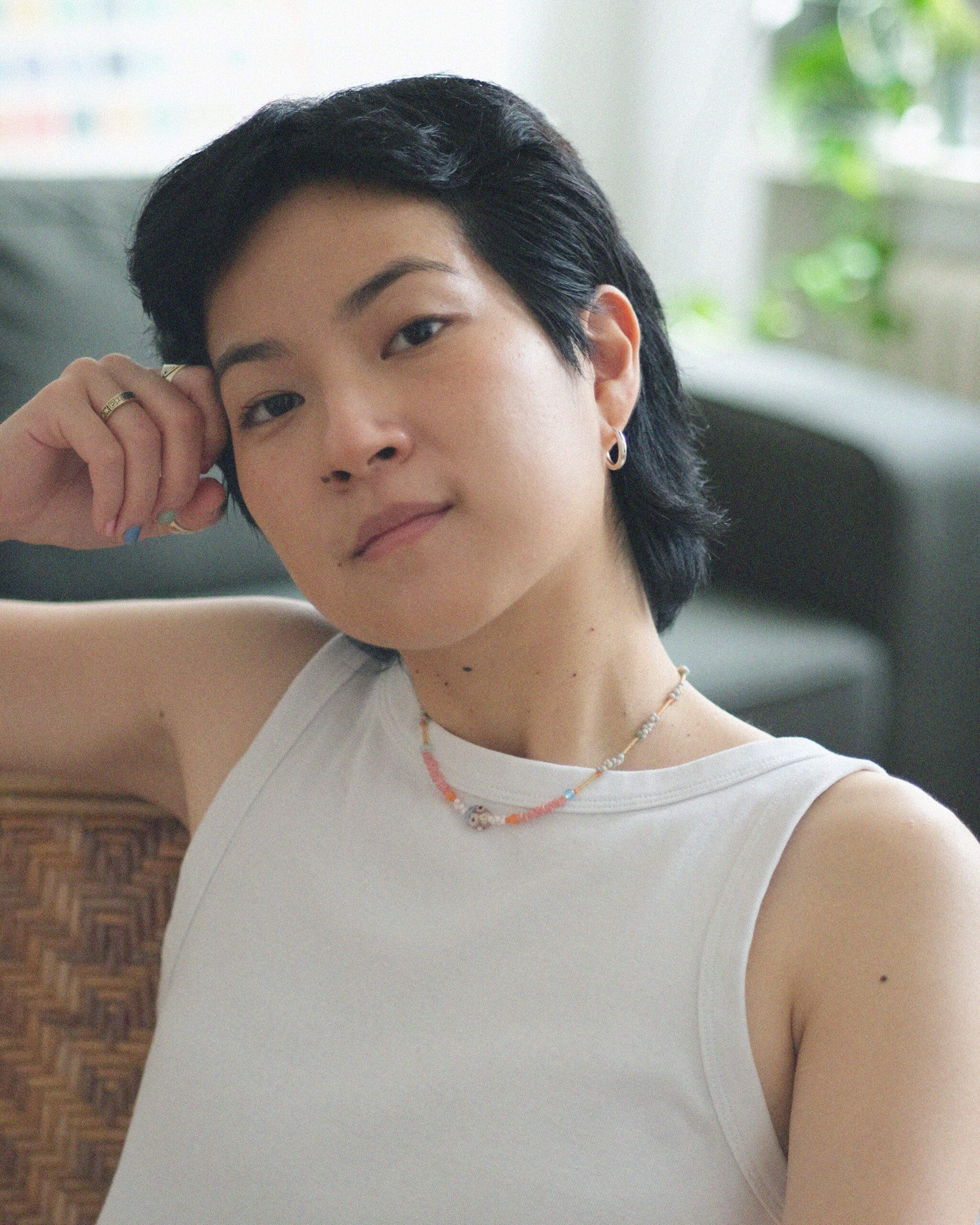
莫妮卡·瓦妮莎·泰嘉是一位非二元性别华裔印尼电影人,现居柏林和雅加达,其电影探讨少数群体的身份认同问题。她的短片《心有灵鹿》荣获2021年德国电影初步奖最佳短片奖,并在2021年洛迦诺电影节开门展映单元获特别提及奖。她最新的纪录短片《忧忧愁愁地来了》在2024莱比锡纪录片电影节举行全球首映。
Monica Vanesa Tedja is a non-binary Chinese-Indonesian filmmaker based in Berlin and Jakarta, whose films pose questions around minority identity issues. Their short film, Dear to me, has won the best short film at the FIRST STEPS AWARDS 2021 and received Special Mention at Locarno Open Doors Screenings 2021. Their latest short documentary, My therapist said, I am full of sadness, celebrated its world premiere at DOK Leipzig 2024.
导演阐述 Director’s Statement
在三年的心理咨询中,我只在咨询师面前哭过两次。第一次是出于无法向父母完全出柜的悲哀,第二次是因为被我的酷儿自选家庭所爱、所接纳和庆祝而感到的喜悦。
正是这种矛盾让我决定拍摄这部电影。这是我“正视”父母的一种方式,也是我在寻求他们对我酷儿身份的完全接纳。但这种最初的诉求转变了:我决定将他们作为这部影片的主角。
西方主流叙事一直宣扬出柜的重要性。为了获得完全的自由,我们必须大声言说真实的自我,并要求全世界看见。虽然听起来很理想,但是这并不总是可行——尤其是身处一个直面问题会显得具有攻击性的文化背景中。
在这段旅程中——无论是拍摄这部电影,还是我自己的咨询——我开始意识到,接纳不是单向,而是双向的行为。我开始明白,出柜是一个更加细致而微妙的过程,它不仅可以通过言语表达,也可以通过行动来体现。
我希望通过这部电影,为无需抹去文化和群体身份的酷儿性提供生存的空间。我希望讲述一个鲜少被表达,也鲜少被合法化的酷儿故事。
最后,我想邀请大家思考,在二元对立之外,我们在生活中究竟身处何地——或许,在所有的差异中,总有可以共存的空间和间隙。
After three years of therapy, I’ve only been able to cry in front of my therapist twice. First, over the sorrow of not being able to fully come out to my parents, and second, over the joy of being loved, accepted, and celebrated by my queer chosen family.
This contradiction was the reason why I decided to make this film. It became a way for me to not only “confront” my parents, but also to seek their full acceptance of my queerness. But what started as a demand eventually shifted as I decided to include them as the protagonists in the film.
Mainstream Western narratives have preached the importance of coming out. In order for us to be fully free, we must declare our authentic self out loud and demand that the world see. As much as this sounds ideal, it doesn’t mean that it is always possible – especially for a culture where confrontation feels too much of an assault.
In this journey – both of making this film and my own therapy process, I started realizing how acceptance is not a one-way thing, but must actually come both ways. I began to understand that coming out is a much more nuanced process that can be demonstrated not only through words, but also through actions.
With this film, I hope to make space for queerness to exist without having to erase our culture and communal identity. I wish to tell a queer narrative that is rarely represented and also rarely legitimized.
Lastly, I want to invite all of you to reflect on our place in this life beyond the binary – how perhaps, through all the differences, there is always a space to be in between.